SPEED TRACKING
2026-02-27
Debunking the Myth: Why Thinking a Speedometer Measures the Car's Average Speed Can Impact Your Automation Strategy
In the realm of high-performance vehicle engineering, a 'Shark with a Speedometer' serves as a potent metaphor for the synthesis of raw power and precise quantification. While the shark represents an apex predator of hydrodynamic efficiency, the speedometer provides the critical data layer required to monitor and control that power. In modern automotive tech, speed is a baseline; observability is the competitive edge.
1. Beyond Raw Power: The Need for Observability
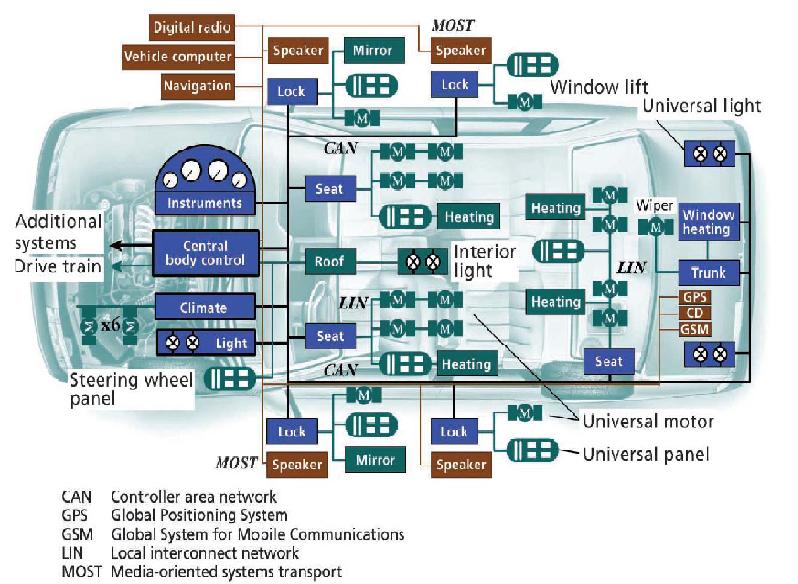
Historically, vehicle development focused on the 'Shark'—the engine, the aerodynamics, and the raw torque. However, in the era of software-defined vehicles, speed without telemetry is a systemic risk. Without a precise digital 'speedometer'—a suite of high-frequency sensors like the Hall Effect VSS or GNSS Doppler trackers—automated systems cannot identify the critical threshold where mechanical stress exceeds structural safety.
2. The Anatomy of Telemetry: Throughput and Latency
To build an 'Apex Automator' within a vehicle, engineers must integrate three core telemetry layers:
*
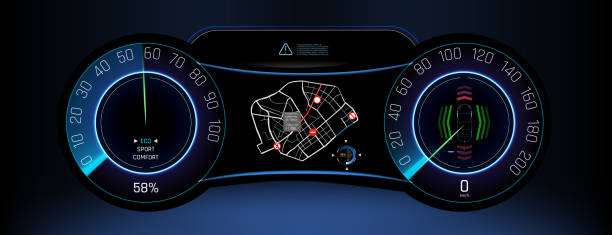
Throughput Metrics: Measuring the frequency of data packets across the CAN Bus to ensure the HMI (Human-Machine Interface) reflects true ground speed without aliasing.
*
Latency Tracking: Monitoring the temporal delta between a physical sensor trigger and the corresponding ECU adjustment.
*
Signal Integrity: Cross-referencing wheel-speed sensors with internal IMUs (Inertial Measurement Units) to eliminate mechanical drift.
3. Predictive Speed and Adaptive Throttling
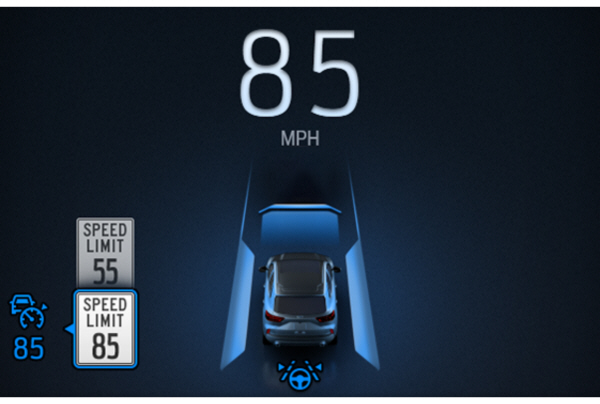
The ultimate evolution of this metaphor is 'Predictive Telemetry.' Rather than reacting to the present speed, AI-driven vehicle systems use real-time analytics to sense network congestion or drivetrain heat, automatically 'throttling' the speed before a failure occurs. This creates a 'Shark' that is not only fast but possesses the instinct to adapt its velocity to the environment.
Conclusion
In the current automotive landscape, being fast is no longer enough. To dominate the sector, systems must function as 'Sharks with Speedometers.' You need the aggressive efficiency of a predator coupled with the sub-decimal precision of a high-tech gauge. By mastering real-time telemetry, you ensure every movement is measured, optimized, and controlled.