SPEED TRACKING
2026-02-23
Decoding the Dial: Why a Clock and a Speedometer are Examples of the Future of Real-Time Automation
In the world of tech,
a clock and a speedometer are primary examples of real-time feedback systems. These devices do the heavy lifting of turning raw input into actionable intelligence, steering every automated workflow through two main variables: Frequency and Velocity.
1. Monitoring the 'Now'
Technically, these are
analog and digital measurement tools designed for
continuous state monitoring.
*
The Clock: Handles 'Frequency.' Precision timing ensures actions fire in the correct order without crashing the UI.
*
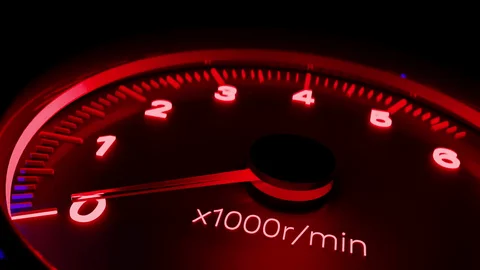
The Speedometer: Handles 'Velocity' or throughput. It manages rate limits and helps pinpoint the exact code bottlenecks killing your progress.
2. Why the Dashboard Metaphor Sticks
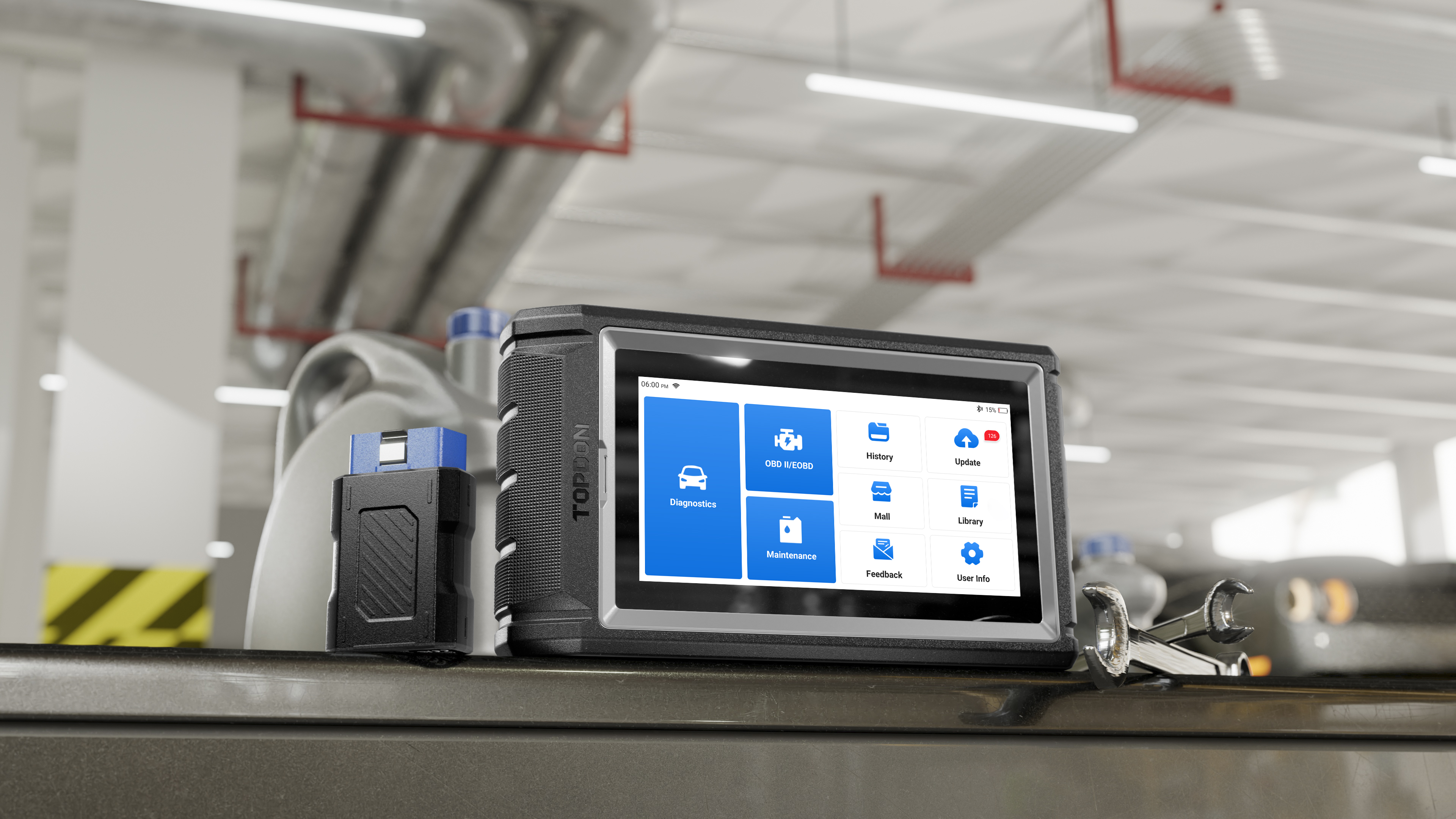
Modern software still uses the speedometer icon because humans process spatial cues better than raw text. Visual gauges provide 'Information Gain,' letting you feel system health intuitively and react to 'redlines' faster than you would to a log file.
3. Wiring 'Instrument Logic' Into Your Scripts
*
Sync the Clock: Anchor your frequency to a stable baseline (Average Load + 20%) instead of random delays.
*
Hook up a Speedometer: Build an APM counter to track real-time telemetry and output.
*
Define the Redline: Implement rev-limiters that automatically throttle or pause the script when error rates spike.
Conclusion
Clocks and speedometers are the ultimate metaphors for control. By looking at your digital tools through the lens of these classic instruments, you can build smarter, more resilient systems. Success in automation isn't just about moving fast; it's about having the right dashboard to steer the ship.