SPEED TRACKING
2026-03-14
The Myth of One-Size-Fits-All: Are Motorcycle Speedometers Universal?
In the motorcycle customization and repair sector, the term 'universal' is often a marketing oversimplification. While aftermarket manufacturers aim for broad compatibility, the hardware reality is a fragmented landscape of mechanical ratios and digital data protocols. For developers and builders, understanding these technical barriers is critical to avoiding instrumentation failure.
1. Mechanical Ratios: The Legacy Offset
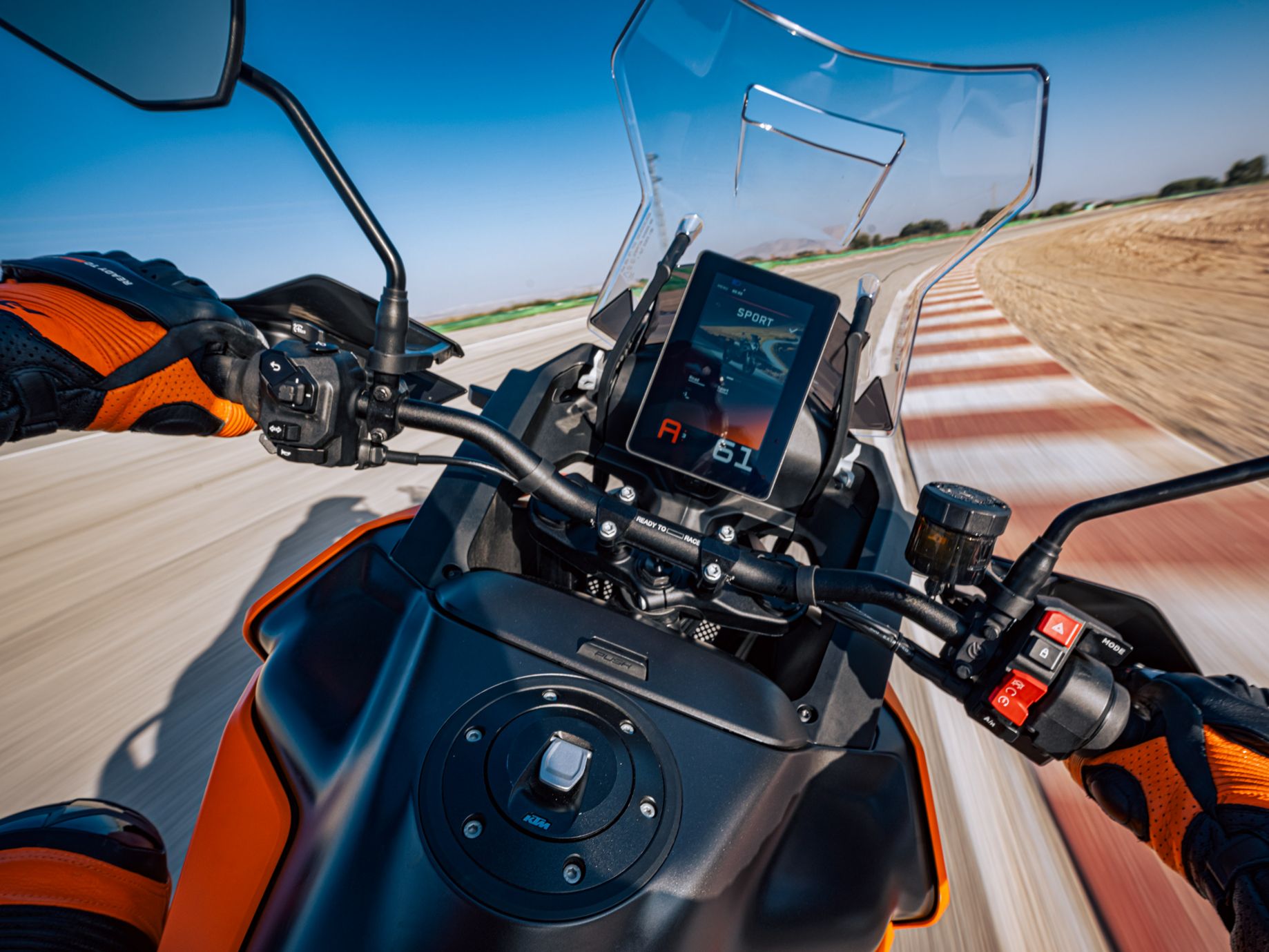
Even in the analog era, there was no true cross-brand standard. Most Japanese manufacturers historically calibrated mechanical speedometers to a ratio where 60 mph equals 2,240 RPM of the cable. Conversely, American and European brands like Harley-Davidson and BMW often utilized 2:1 or 1:1 drive ratios. Installing a 'universal' Japanese-spec gauge on a vintage Harley results in a catastrophic accuracy delta—rendering the instrumentation legally and technically useless.
2. Digital Pulse Logic: The PPM Variable
Electronic speedometers calculate velocity via Hall-effect sensors or reed switches that count trigger points (such as rotor bolts or transmission teeth). To make a digital unit 'universal,' it must be programmable to account for the Pulse Per Mile (PPM). This requires a manual calibration of the internal logic based on the tire's exact rolling radius and the number of magnets detected per rotation. Without this synchronization, the digital dash cannot reconcile raw pulses with real-world Ground Speed (SOG).
3. The CAN-Bus Barrier
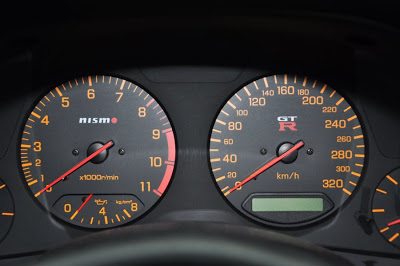
For motorcycles manufactured within the last decade, the dashboard is no longer a standalone gauge but a node on a
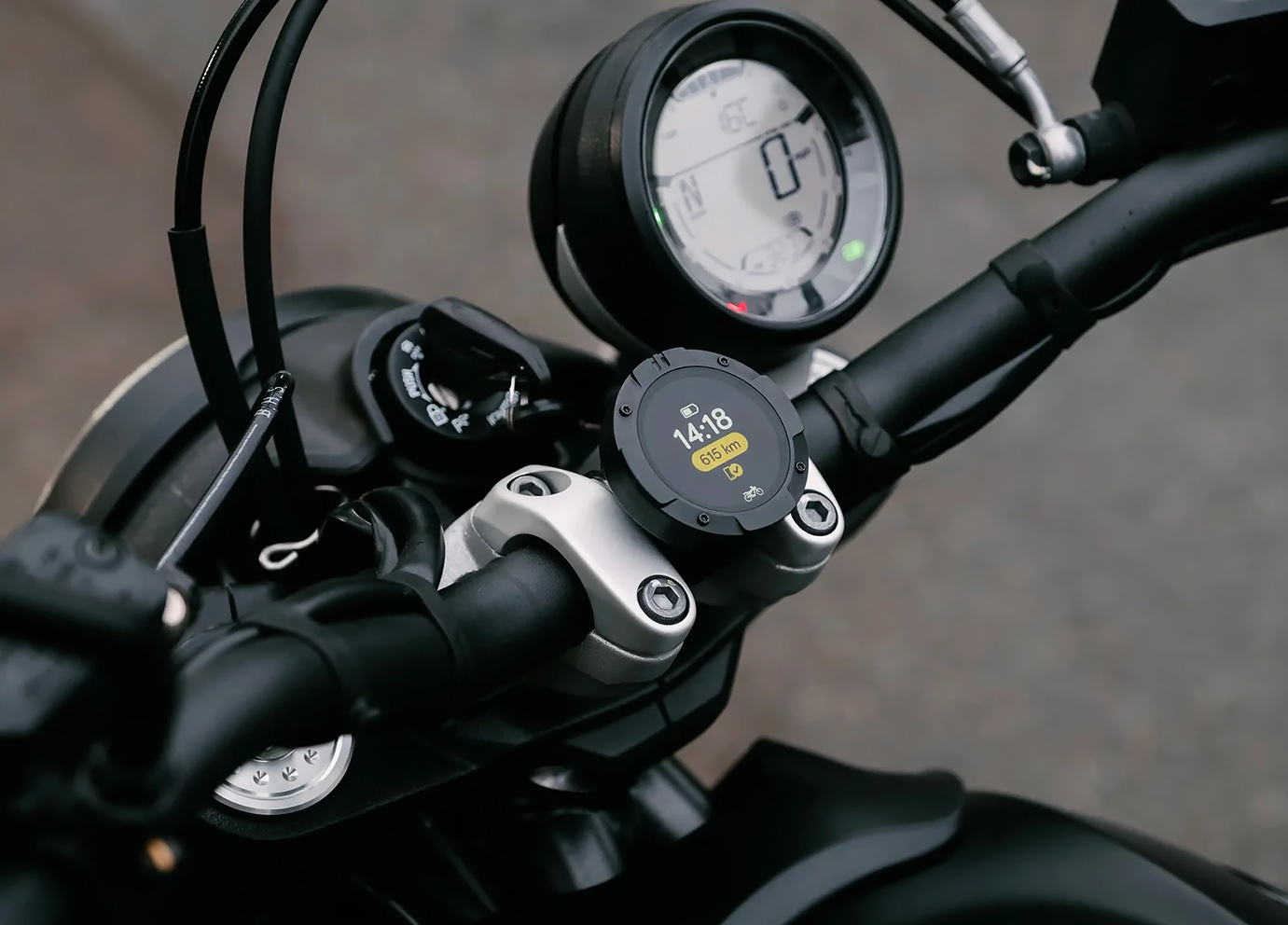
CAN-Bus (Controller Area Network). In these systems, velocity is a digital data packet shared between the ABS module and the ECU. Replacing a CAN-Bus cluster with a generic aftermarket unit is impossible without a specialized digital interface to decode the proprietary network traffic. For these modern platforms, the only truly universal solution is a standalone GPS-based speedometer that operates independently of the vehicle's internal data bus.
Conclusion
Are motorcycle speedometers universal? Technically, no. While hardware adapters and GPS sensors provide workarounds, the 'plug-and-play' experience is restricted by deep-seated mechanical and electronic discrepancies. For the precision-minded builder, the challenge lies in matching the instrumentation's pulse logic to the machine's physical movement.