1. The Core Function: Capturing Instantaneous Velocity
At its fundamental level, a speedometer is an instantaneous measurement tool. Unlike an odometer, which acts as a cumulative counter, the speedometer is a real-time feedback sensor. It provides a 'snapshot' of the vehicle's kinetic state at any given millisecond ($t$). In the world of high-performance telemetry, this represents the vital synchronization between the vehicle's mechanical state and the driver's situational awareness.2. The Evolution of the Device: Mechanical vs. Digital
The methodology of speed measurement has undergone a total digital transformation, moving from physical torque to electronic pulse-width modulation (PWM).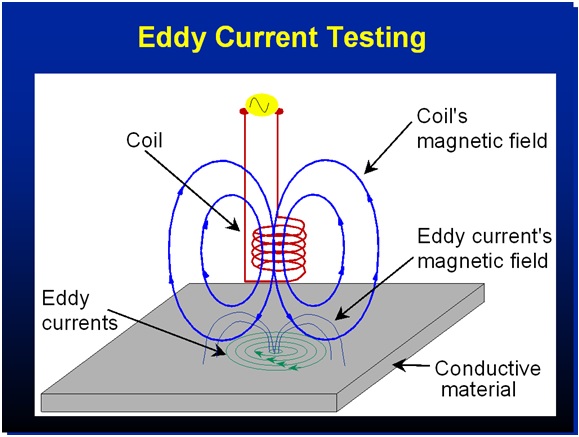
A. Mechanical Speedometers (Eddy Current Induction)
Legacy systems utilize a flexible cable driven by the transmission. This cable spins a permanent magnet inside an aluminum 'speed cup'.The rotating magnetic field induces eddy currents in the cup, creating a drag force that pulls the needle against a calibrated hairspring. The faster the magnet spins, the higher the torque, and the further the needle sweeps across the analog dial.
B. Electronic Speedometers (Hall Effect Sensors)
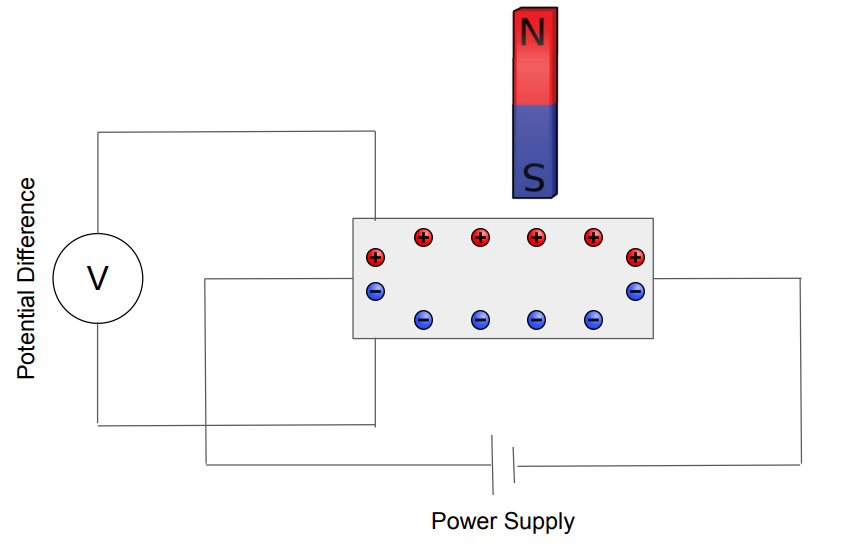
Modern systems replace cables with Hall Effect sensors located on the transmission output shaft or wheel hubs.* Pulse Generation: A toothed reluctor ring rotates past the magnetic sensor, creating a square-wave pulse train. * Digital Processing: The Engine Control Unit (ECU) counts the pulses per second and applies a deterministic algorithm—factoring in tire circumference—to render a digital velocity readout on the instrument cluster.
3. Telemetry Integrity: Factors Influencing Accuracy
A speedometer is a device that is only as precise as its input variables. Several physical factors can introduce systematic errors into the telemetry stream: * Rolling Radius Variation: Since the ECU assumes a fixed tire diameter, installing oversized wheels or experiencing significant tread wear changes the 'pulses-per-mile' ratio. This results in a delta between the indicated speed and the true ground speed. * GNSS Cross-Verification: High-fidelity apps, such as SpeedAce, cross-reference VSS pulse data with GNSS (GPS) Doppler shifts to identify these discrepancies, providing a more objective ground truth compared to factory gauges.4. The Future: V2X and Augmented Reality (AR)
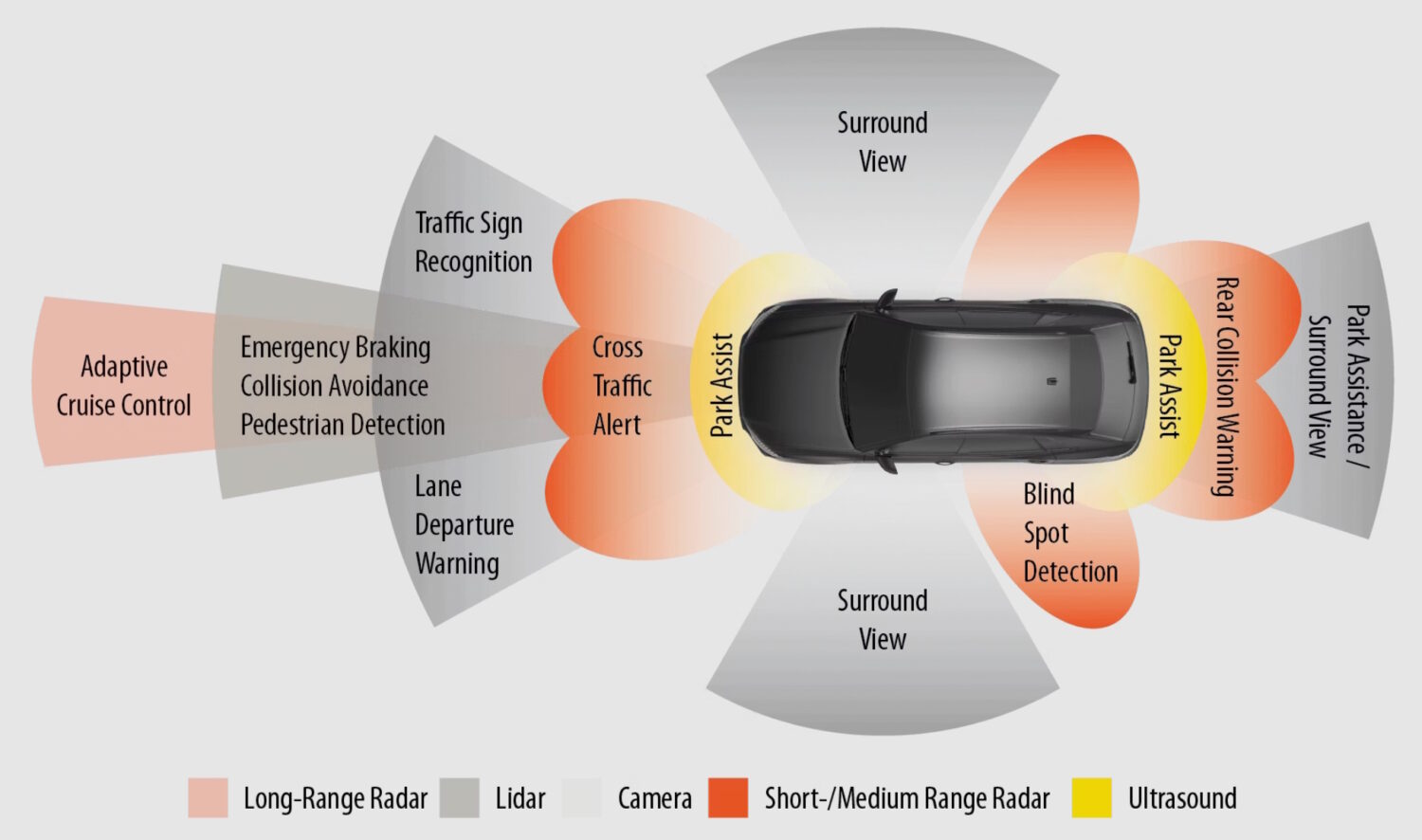
The next generation of speed measurement involves V2X (Vehicle-to-Everything) communication. In this ecosystem, the 'speedometer' is no longer a localized device; it is a networked sensor. By integrating data from smart-city infrastructure and internal IMU (Inertial Measurement Unit) sensors, vehicles can now predict and visualize optimal velocity through AR Head-Up Displays (HUDs), ensuring sub-decimal precision in both manual and autonomous driving modes.