SPEED TRACKING
2026-02-24
The Velocity Paradox: What Happens When a Car's Speedometer Reads 60 Miles an Hour
When you glance down and see
a car's speedometer reading of 60 miles an hour, you're viewing a processed calculation, not a raw fact. For automation experts, this is the ultimate case study in the gap between a digital display and physical reality.
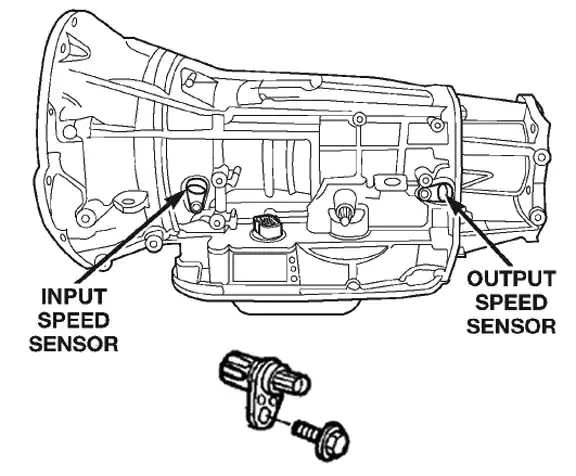
1. The Engineering: Measuring Rotation, Not Speed
Modern speedometers don't measure ground speed; they count revolutions. A
Hall Effect sensor on the transmission output shaft generates pulses that the ECU translates into velocity based on a fixed constant: your tire circumference.
2. The Variable: Why the Reading Drifts
Reality is fluid. Tire wear, air pressure, and temperature change the effective diameter of your wheels. Even a 1% wear can cause your speedometer to read 60 mph while your actual GPS velocity is 58.5 mph. In the world of tech, we call this
Sensor Drift—the silent killer of data integrity.
3. Automation's 'Spinning on Ice' Trap
Applying this to business automation: if your tools are 'moving' at 1,000 actions per minute but the underlying data isn't committing to the database, you're driving on ice. Your dashboard shows 60 mph, but your actual business progress is zero. This is why tracking 'Instantaneous Latency' is more critical than 'Average Throughput.'
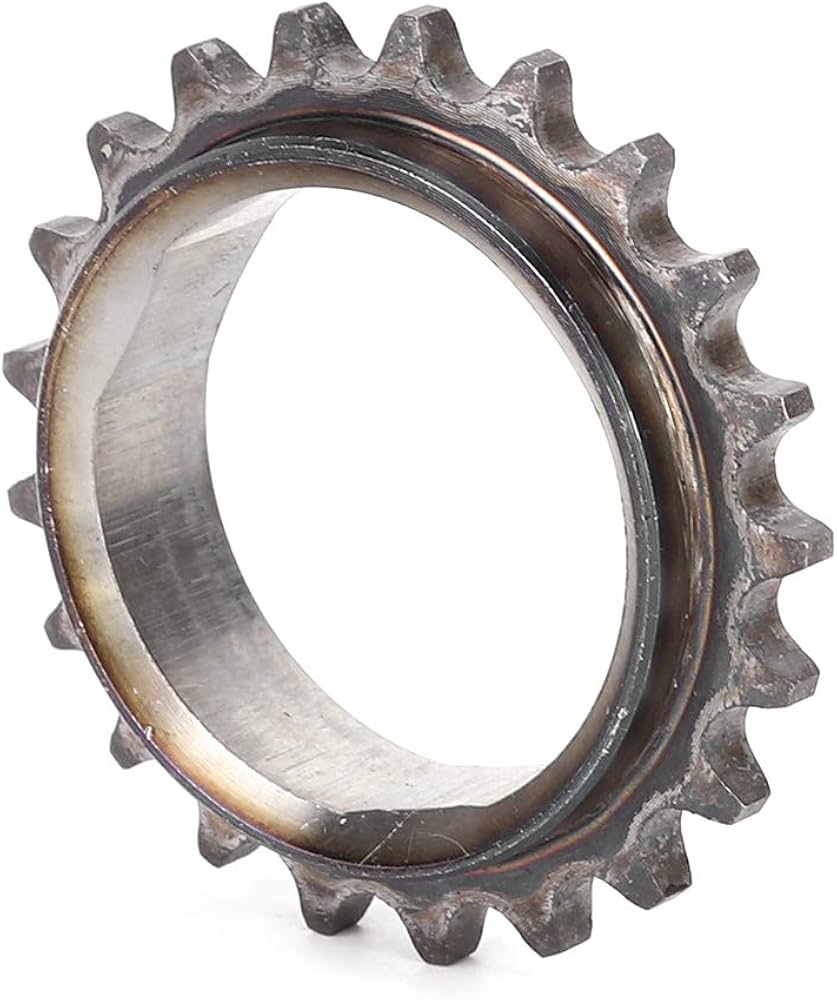
4. The Fix: Sensor Fusion & Kalman Filters
To bridge the gap, modern systems use
Sensor Fusion. They cross-reference primary rotation data with GPS displacement and accelerometer forces. This multi-source verification—often managed via
Kalman Filtering—ensures the 'reading' matches the 'reality.'
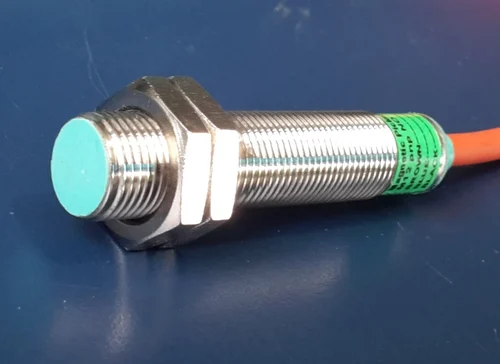
Conclusion
Precision is more valuable than uncalibrated speed. In automation, as on the road, don't settle for the display. Calibrate your sensors, account for latency, and ensure your velocity is sustainable.