SPEED TRACKING
2026-03-07
Beyond the Needle: Mastering the AC to DC Speedometer Converter for Modern Tech Integration
In automotive restomodding, a common hurdle is the conflict between an
AC (Alternating Current) sine wave and the
DC (Direct Current) square wave that modern electronics demand. To sync these systems, you need a dedicated
AC to DC speedometer converter.
1. VR vs. Hall Effect Logic
Most classic transmissions use a
Variable Reluctance (VR) sensor, generating an AC voltage that increases with speed. Modern digital clusters require a
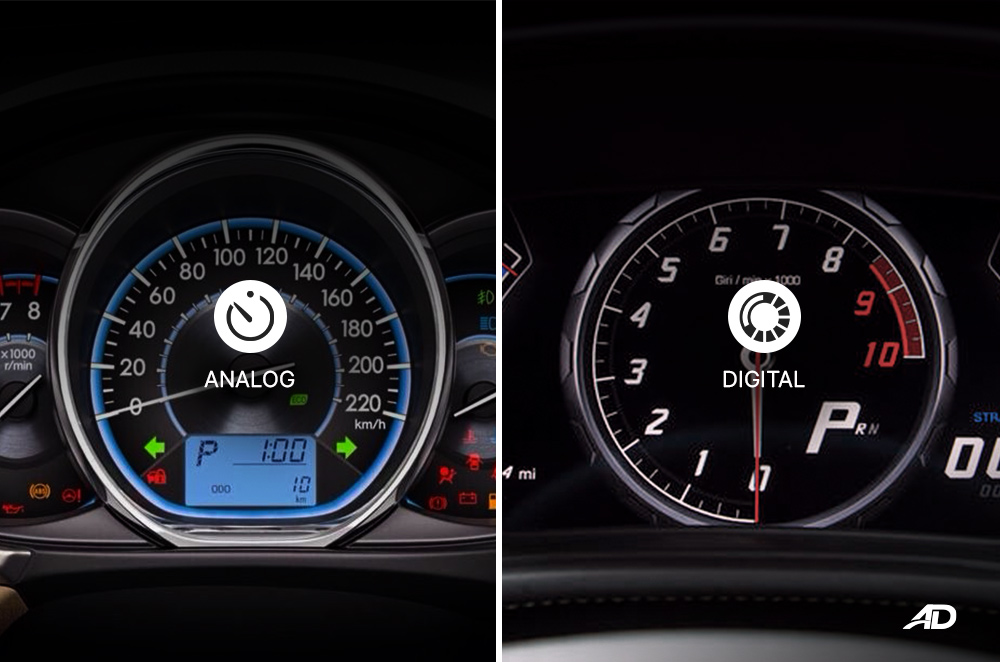
Hall Effect signal (5V/12V DC square wave). Without a converter to rectify the signal, digital gauges cannot interpret the data, leading to a dead or erratic needle.

2. The PPM Standard
Manufacturers use different
Pulses Per Mile (PPM) counts. For instance, GM often uses 4,000 PPM, while many aftermarket dashes expect 8,000 PPM. A professional converter allows for
Signal Scaling, letting you calibrate the output to match your tire size and gear ratio without changing mechanical parts.
3. Essential Features
*
Low-Speed Sensitivity: Ensures the speedometer registers movement at crawling speeds when VR voltage is weak.
*
EMI Filtering: Prevents ignition noise from causing needle jumps.
*
Frequency Division: Adjusts high-count signals (e.g., from 40-tooth reluctors) to meet gauge input limits.
4. Calibration Automation
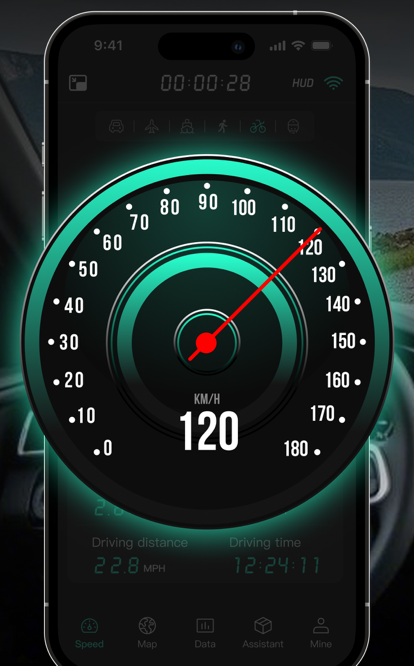
Top-tier converters include a 'Learn Mode.' By driving a measured mile, the hardware automatically calculates the correct PPM. This allows vintage gearboxes to integrate seamlessly with modern HUDs and data loggers.
Conclusion
The AC to DC speedometer converter is the critical link in a modern vehicle tech stack. It ensures your dashboard reflects reality by handling the gritty work of signal translation. In high-end builds, precision is the result of using the right hardware bridge.