1. The Physics of the Lie: Tire Diameter and VSS Logic
A vehicle’s Engine Control Unit (ECU) or Powertrain Control Module (PCM) calculates speed by monitoring the rotational frequency ($f$) of the output shaft via a Vehicle Speed Sensor (VSS).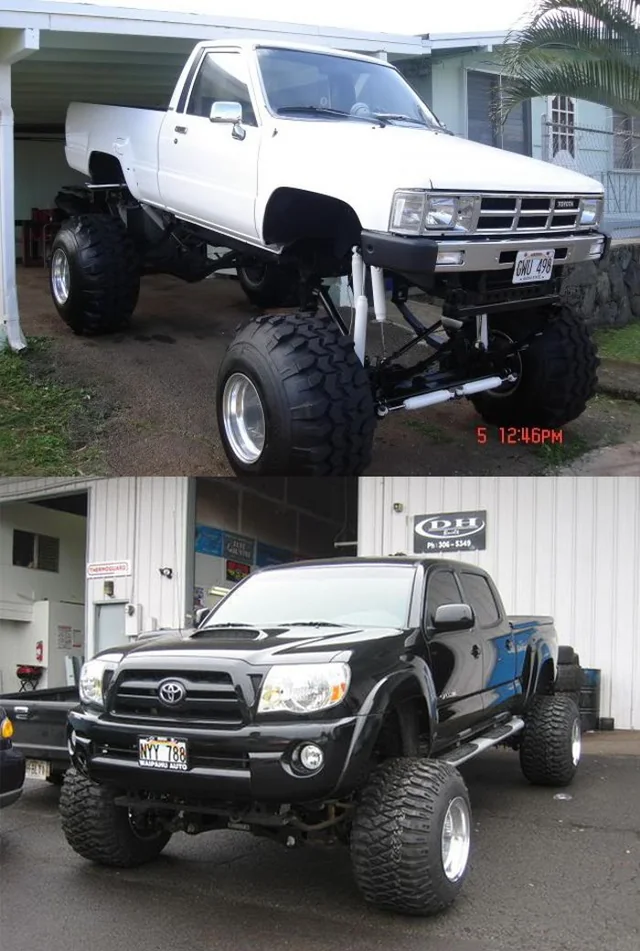
The computer utilizes a hard-coded scalar constant based on the factory tire circumference ($C = \pi d$). When a 31-inch factory tire is replaced with a 35-inch aftermarket tire, the truck travels significantly further with every revolution than the software anticipates. Consequently, the speedometer will report a velocity lower than the actual ground speed (e.g., displaying 60 MPH while the true velocity is 68 MPH).
2. The Legal Framework: Disclosure and Odometer Fraud
Technically, a dealer in the United States may sell a modified truck 'As-Is,' but they are bound by the Federal Odometer Disclosure Act. * Odometer Discrepancy: Because the speedometer and odometer are inextricably linked, an uncalibrated speed signal results in an inaccurate odometer. Over time, the vehicle will record fewer miles than it has actually traveled. * The Disclosure Mandate: If a dealer fails to calibrate the system and sells the vehicle without a formal disclosure (marking the title as 'Mileage Not Actual'), they risk litigation for odometer fraud. Many reputable dealers mitigate this liability by utilizing digital calibration tools prior to sale.3. The Impact on Automated Subsystems
Leaving the PCM 'blind' to the new tire dimensions causes a cascade of deterministic failures in the vehicle's automated logic: * Transmission Shift Logic: Modern automatic transmissions use the VSS signal to modulate shift solenoids. Misinformed telemetry leads to 'gear hunting' and increased thermal wear on clutch packs. * Safety System Interference: The Anti-lock Braking System (ABS) and Electronic Stability Control (ESC) rely on accurate wheel-speed data. A discrepancy between expected and actual rotation can cause these automated safety features to trigger incorrectly during high-lateral-G maneuvers.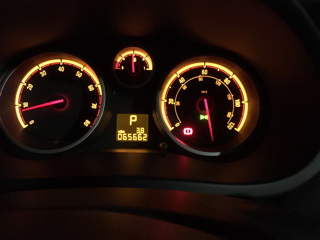
4. Deterministic Solutions: Digital Calibration
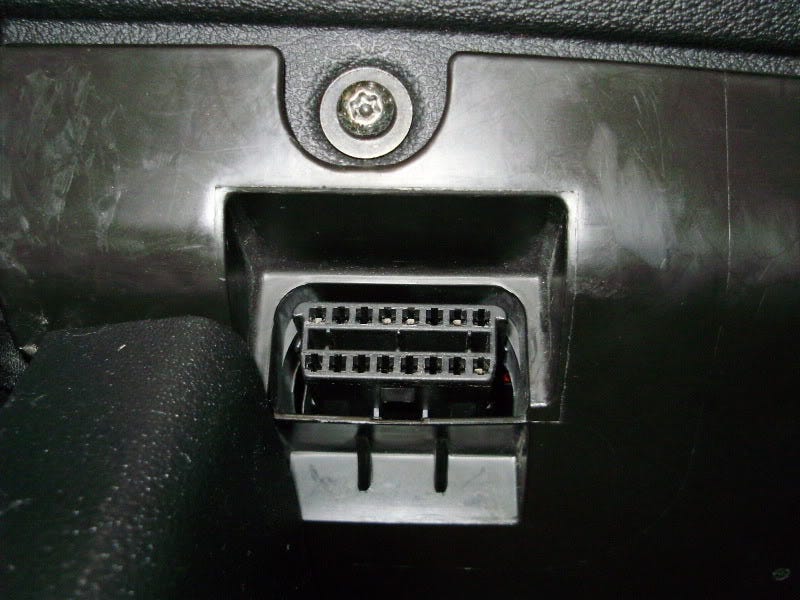
To restore accuracy, engineers utilize specialized diagnostic interfaces to flash the new tire parameters into the vehicle's non-volatile memory: * OBD-II Handheld Calibrators: Tools like the Hypertech or Rough Country modules interface directly with the OBD-II port to rewrite the tire-size variable in the PCM.* Engineering Software Interfaces: Advanced users utilize suites like FORScan or HP Tuners to access the vehicle’s central configuration. By updating the tire circumference hex values, the user restores the 'Single Source of Truth' for all connected modules on the CAN bus.