1. The Mechanical Ripple Effect: Why Your Speedometer Lies
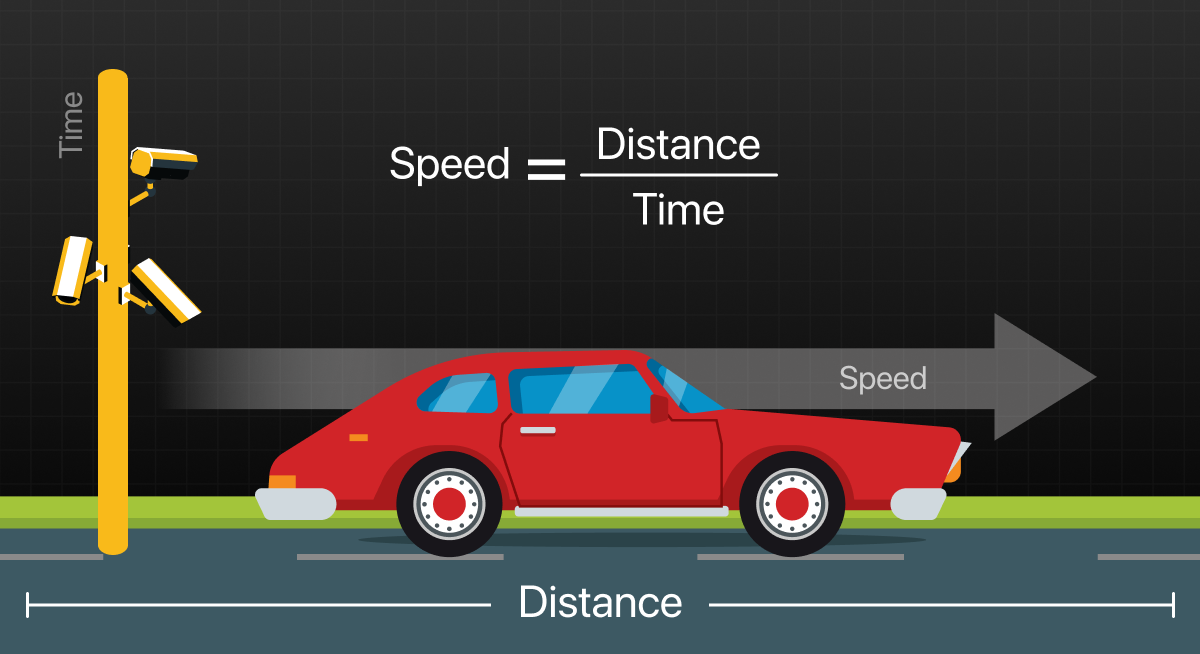
Modern vehicles utilize a Vehicle Speed Sensor (VSS), typically located on the transmission output shaft. This sensor generates a digital pulse train based on rotational frequency ($f$). The Engine Control Module (ECM) calculates ground speed using a fixed formula:When you alter the ring and pinion ratio (e.g., swapping 3.42 gears for 4.10s), you change the number of wheel rotations relative to the output shaft rotations. Without recalibration, the ECM continues to apply the old gear constant to the new pulse frequency, resulting in significant speedometer error and disrupted transmission shift points.
2. The Tech2 Advantage: Bidirectional Control
While generic OBDII scanners are limited to reading Parameter IDs (PIDs), the Tech2 is a bidirectional diagnostic tool capable of rewriting constants within the vehicle’s specialized modules.It allows a technician to access the Powertrain Control Module (PCM) or Body Control Module (BCM) to update the 'Tire Size' and 'Axle Ratio' variables. This ensures that the speedometer, odometer, and cruise control systems are synchronized with the physical hardware.
3. Step-by-Step: Speedometer Recalibration Workflow
To perform a successful recalibration, ensure the Tech2 is loaded with the appropriate vehicle software (e.g., TIS2000 or a 32MB PCMCIA card).
1. Establish Data Link: Connect the Tech2 to the OBDII port and set the ignition to the 'ON' position. 2. Navigate Module Hierarchy: Select Diagnostics > [Year/Make/Model] > Powertrain. 3. Special Functions: Access the Module Setup or Speedometer Calibration sub-menu.
4. Enter New Constants: Input the new gear ratio and the measured tire height. Professional tuners recommend using the 'Revolutions Per Mile' metric for higher precision. 5. Finalize Programming: The Tech2 will command the PCM to 'relearn' the new parameters. Once the 'Programming Successful' message appears, the VSS signal will be correctly scaled to the HMI (Human-Machine Interface).
4. Impact on Automated Powertrain Logic
Accurate speed telemetry is critical for automated drivetrain functions. If the speedometer is miscalibrated, the Transmission Control Module (TCM) may initiate shifts at inappropriate RPM ranges, leading to premature clutch wear or 'Limp Mode' activation. By aligning the software with the gear swap, you maintain the deterministic safety protocols of the Anti-lock Braking System (ABS) and Traction Control.Conclusion
A gear change is a powerful mechanical modification, but the project is incomplete until the software reflects the hardware change. Leveraging a Tech2 computer to reprogram the speedometer is the standard for maintaining vehicle accuracy and safety in a high-performance environment.