1. The Legal Framework: Strict Liability and Equipment Mandates
In the United States, speeding is classified as a strict liability offense. This means the prosecution is not required to prove intent or knowledge (mens rea); they only need to prove the objective fact of the vehicle's velocity.Furthermore, most state vehicle codes mandate that all 'Original Equipment' safety systems, including the speedometer, must be in working order. Admitting to a broken gauge during a traffic stop can result in a dual citation: one for the moving violation (speeding) and another for defective equipment.
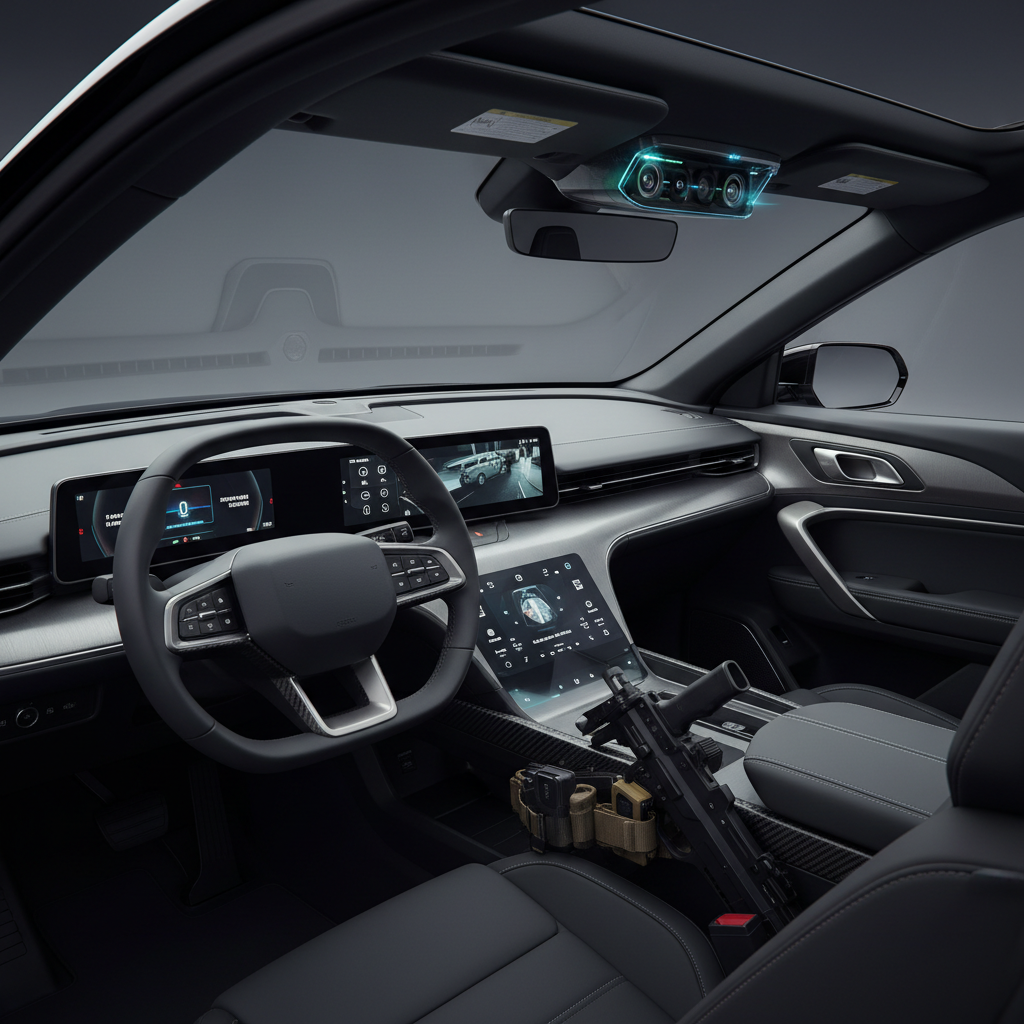
2. The Tech-Forward Defense: Differentiating the Failure Point
For professionals utilizing diagnostic automation, a dead needle doesn't always signify a total loss of telemetry. To build a defense, one must identify where the data chain was severed: * The VSS (Vehicle Speed Sensor): If the sensor on the transmission fails, the ECU (Engine Control Unit) receives zero pulses. This typically triggers a Check Engine Light (CEL) with code P0500. * The IPC (Instrument Panel Control): If the ECU 'knows' the speed but the needle is stagnant, the fault is isolated to the cluster's internal stepper motor or power supply.
3. Engineering Diagnostic Workflow
If you find yourself in a legal dispute, you must leverage high-fidelity data to prove mechanical failure rather than reckless intent: 1. OBD-II Data Ingestion: Utilize a diagnostic scanner to query the 'Vehicle Speed' PID (Parameter ID). If the scanner displays an accurate speed while the dashboard shows zero, you have documented proof of a localized display failure.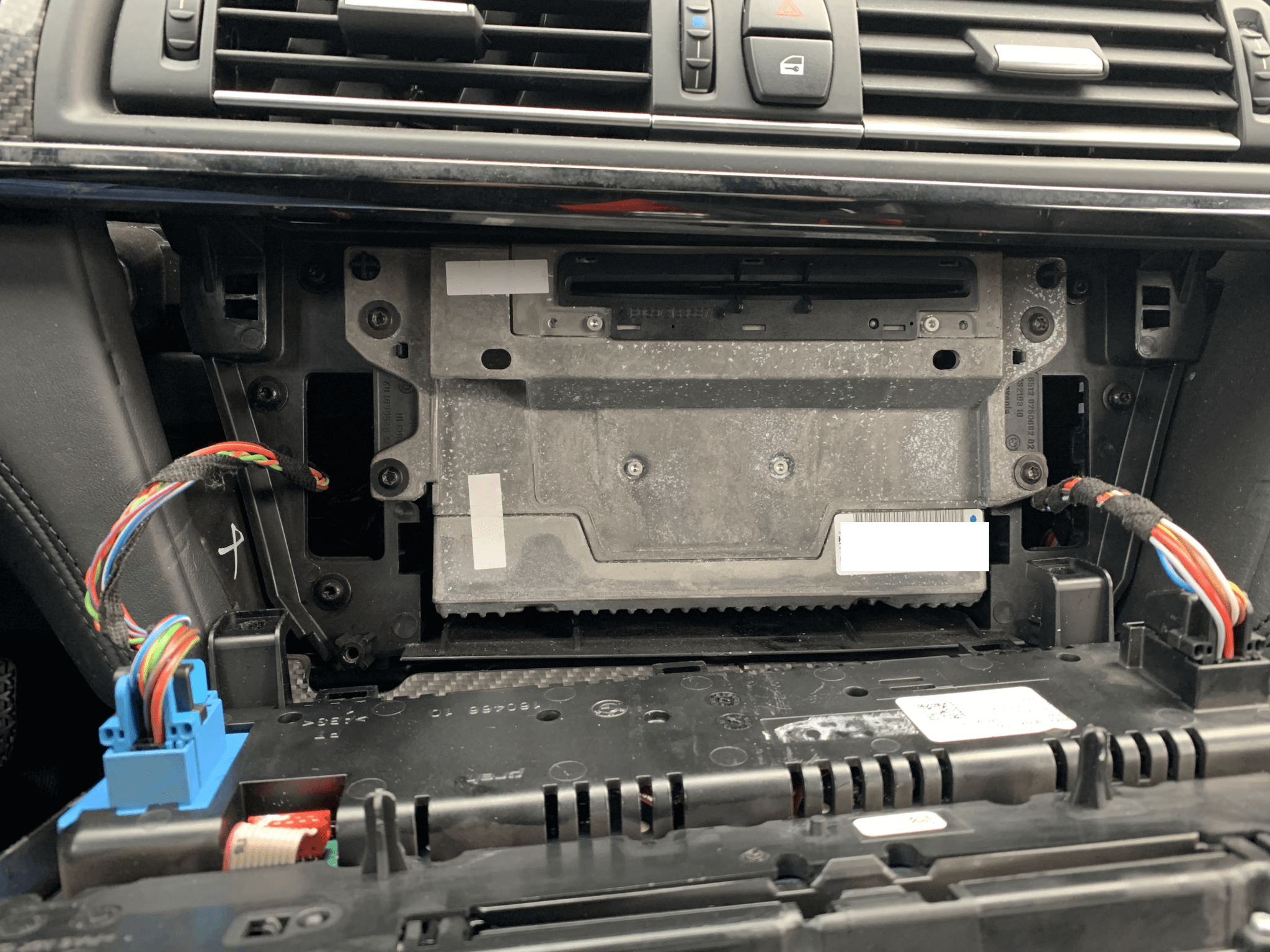
2. GPS Doppler Verification: Modern dashcams and telematics tools calculate velocity based on the time-of-flight between satellite coordinates. This secondary data source can be used in court to corroborate your true ground speed. 3. Speedometer Calibration Certification: To formalize this defense, a certified technician must verify the gauge inaccuracy on a dynamometer, providing a signed certificate of error.