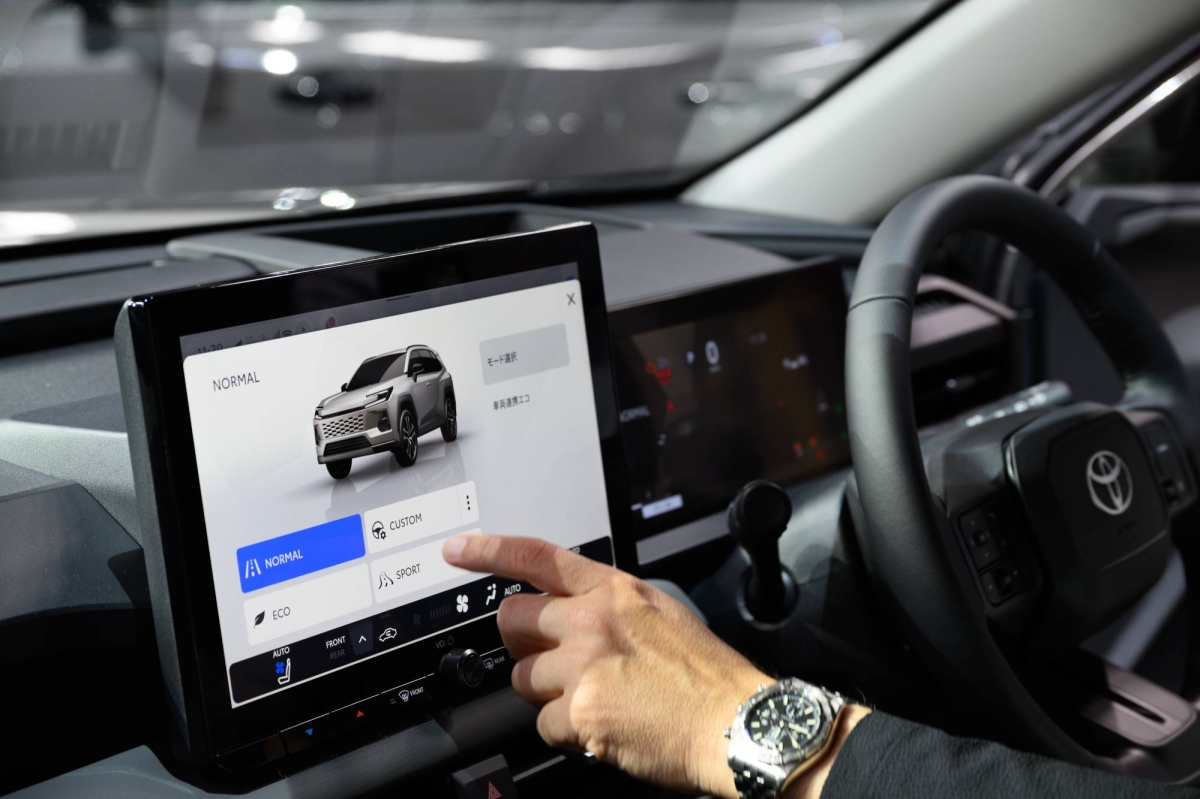
In the vehicle telemetry sector, the discrepancy between a Toyota dashboard and a GNSS-enabled smartphone is a deliberate engineering artifact. For drivers and data specialists, understanding whether Toyota speedometers are accurate requires an analysis of international regulatory buffers and the mechanical variables of the rolling chassis.
1. The Engineering of Systematic Bias: ECE-R39 Compliance
Speedometer accuracy is governed by strict legal frameworks. International standards, such as
UN/ECE Regulation 39, stipulate that an indicated speed must
never be lower than the true speed. To mitigate manufacturer liability, Toyota engineers implement a 'positive offset'—a deliberate bias where the display shows a speed higher than reality. This ensures that even with production variances, the dashboard never under-reports velocity, protecting the driver from unintentional legal infractions.
2. The Variable of Static Rolling Radius
Toyota vehicles determine speed by sampling the rotation frequency (RPM) of the transmission output shaft or wheel hubs via
Vehicle Speed Sensors (VSS). This calculation relies on a fixed assumption of the tire's circumference. However, the 'Static Rolling Radius' is a dynamic variable influenced by physical entropy:
*
Tread Degradation: As tires wear from new to bald, the outer diameter shrinks. A smaller wheel must rotate faster to cover the same distance, forcing the ECU to report an inflated velocity.
*
Inflation and Load: Under-inflated tires compress the tire profile, reducing the effective radius and increasing the pulse frequency per mile, further skewing the dashboard's 'optimistic' bias.
3. GNSS Ground Truth vs. ECU Logic
While the dashboard is filtered for human consumption at the
Human-Machine Interface (HMI) layer, the car's
Engine Control Unit (ECU) often processes a more accurate speed internally. By utilizing an
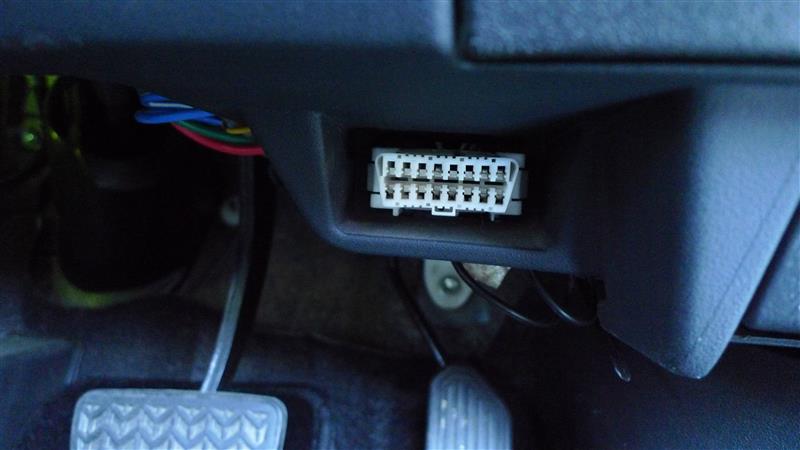
OBD-II automation bridge, users can intercept the raw PID data. You will frequently discover that the ECU's internal value aligns closely with GPS ground truth (calculated via Doppler shift), proving that the dashboard discrepancy is a deliberate software-level modification.
4. Recalibration and Technical Solutions
For owners who have modified their vehicles with larger tires (e.g., Tacoma or Tundra off-road builds), the factory pulse-to-velocity constant becomes invalid. Correcting this delta requires an
Electronic Speedo Corrector or ECU reprogramming. These automation tools intercept the VSS signal and apply a percentage-based correction factor before the data reaches the instrument cluster, restoring the synchronization between the dashboard and real-world ground speed.

Conclusion
Are Toyota speedometers accurate? They are precisely inaccurate by design. They act as a safety-oriented interface, protecting the driver from legal trouble while accounting for physical wear and tear. For mission-critical tracking or automation, the gold standard remains the integration of raw ECU telemetry with high-refresh satellite data.