1. The Federal Mandate: FMVSS 101
At the manufacturing level, the National Highway Traffic Safety Administration (NHTSA) enforces Federal Motor Vehicle Safety Standard (FMVSS) No. 101. This regulation explicitly requires that all motor vehicles manufactured for public road use in the United States must be equipped with a functional speedometer. This ensures that every vehicle entering the market provides the baseline data necessary for safe operation and legal compliance.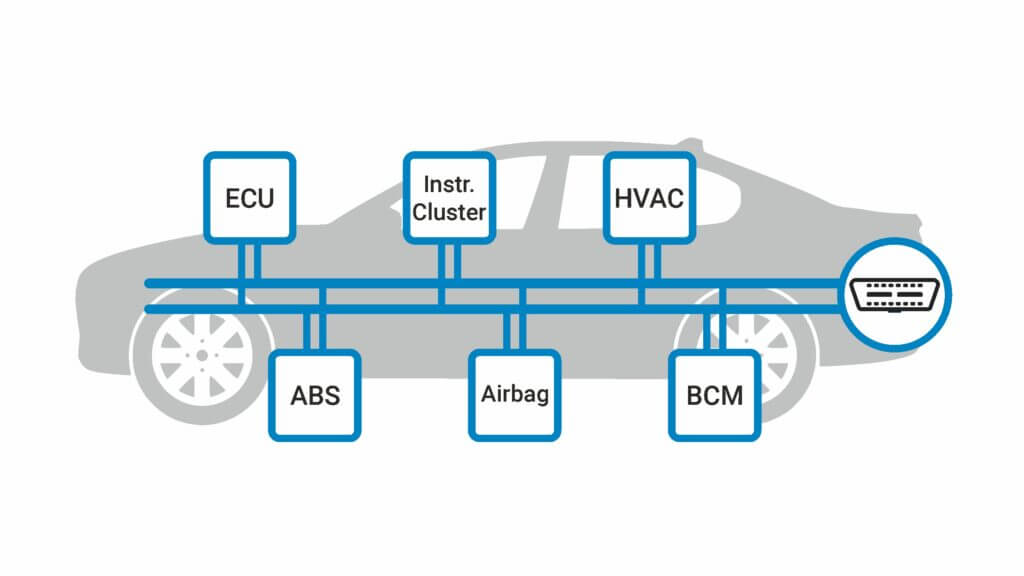
2. State-Level Enforcement: The Inspection Gap
While federal law binds manufacturers, state law governs the owner. In states with rigorous annual safety inspections—such as Virginia or New York—a non-functional speedometer is grounds for an immediate failure. Many state vehicle codes stipulate that all 'original factory equipment' must be maintained in good working order. Consequently, operating a vehicle with a dead instrument cluster can result in a 'defective equipment' citation, regardless of whether the driver is utilizing an external GPS device as a substitute.3. Engineering the Velocity Stream: Hall Effect and CAN Bus
Modern speed measurement has evolved from mechanical cables to high-frequency pulse-width modulated signals.* Sensor Layer: Most vehicles utilize Hall Effect sensors located on the transmission or wheel hubs to detect passing magnets on a tone ring. * Data Layer: This raw pulse data is converted into a digital packet and broadcast across the CAN Bus (Controller Area Network). This automated data stream is utilized by multiple systems, including the ECU for fuel mapping and the ADAS for Adaptive Cruise Control.
4. Technical Workarounds: OBDII and HUD Automation
For vehicles with failed instrumentation, the OBDII port provides an alternative data path. By utilizing a Bluetooth bridge, drivers can extract the 'Raw VSS Speed' directly from the ECU and project it via a smartphone or HUD. While this automated workaround provides high-fidelity velocity data, it often remains a legal 'gray area' during formal safety inspections, which typically require the permanent factory cluster to be operational.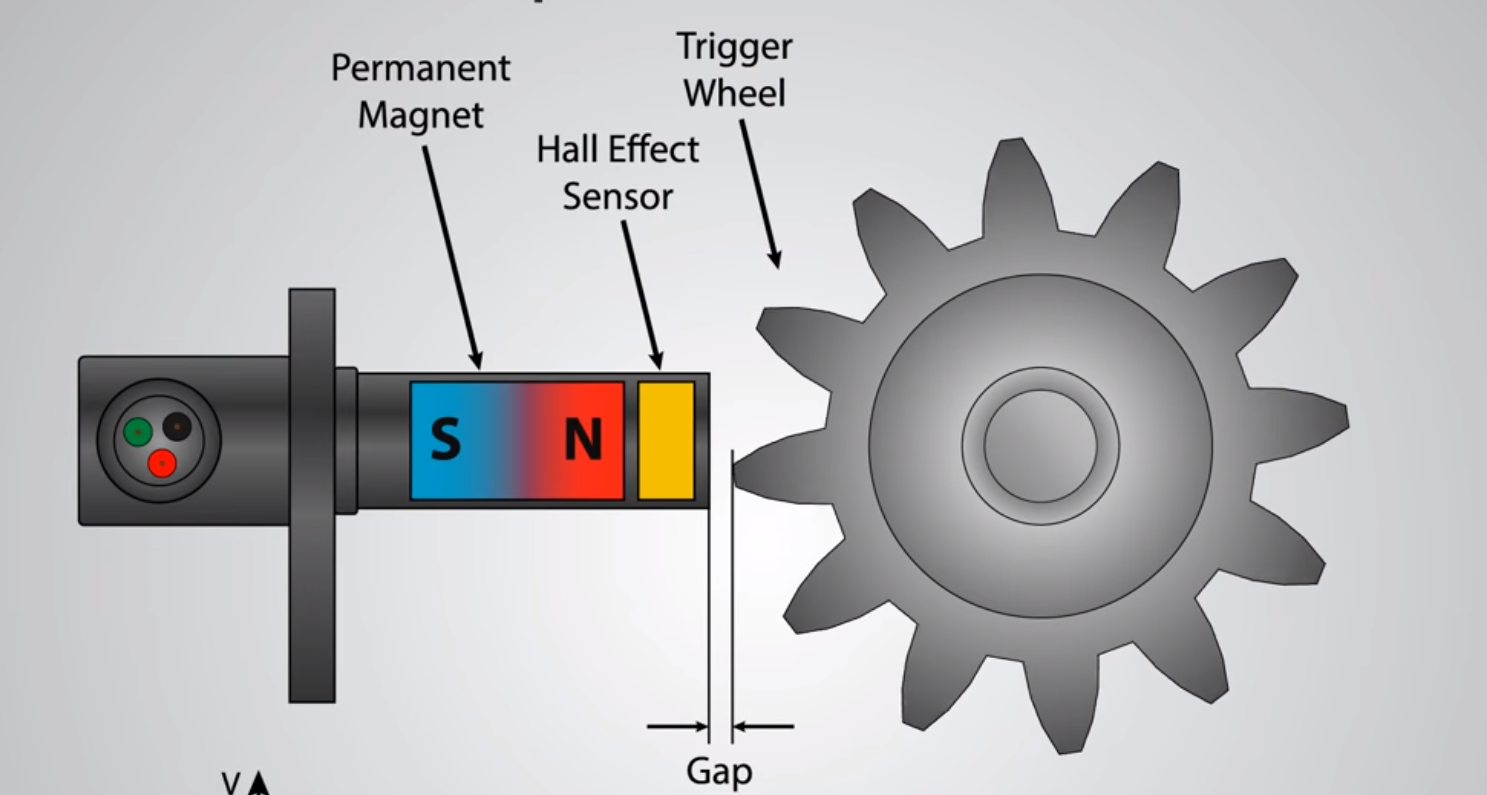
Conclusion
Are speedometers required? Legally, yes—at the point of manufacture and under the equipment codes of most states. Beyond compliance, the speedometer is a critical sensor in your vehicle’s automation stack. Whether you rely on a legacy analog needle or a digital CAN bus feed, maintaining this telemetry link is essential for both legal standing and operational safety.