SPEED TRACKING
2026-02-25
Beyond the Needle: Are iPhone Speedometer Apps Accurate Compared to Your Car?
In high-precision vehicle monitoring, the gap between the dashboard and iPhone reveals the conflict between mechanical estimation and satellite ground truth. Mastering this 'Speedometer Delta' is key to advanced vehicle telemetry.
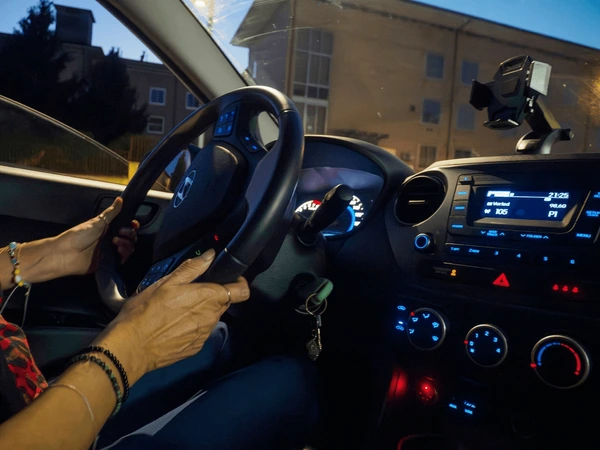
1. The Variable of Rolling Radius
Mechanical speedometers calculate velocity based on wheel rotation, making them slave to tire wear and pressure fluctuations. Manufacturers intentionally add a software buffer to avoid under-reporting, creating a systematic 'optimistic' bias. iPhone GPS bypasses these physical variables entirely.
2. Dual-Band Precision: L1 + L5
Modern iPhones utilize L1 and L5 dual-band GNSS to eliminate 'Urban Canyon' errors. By sampling the Doppler Shift of satellite pings, the device calculates absolute Ground Speed (SOG) with sub-decimeter precision, providing a non-mechanical 'Source of Truth' that stays accurate even with aftermarket vehicle mods.
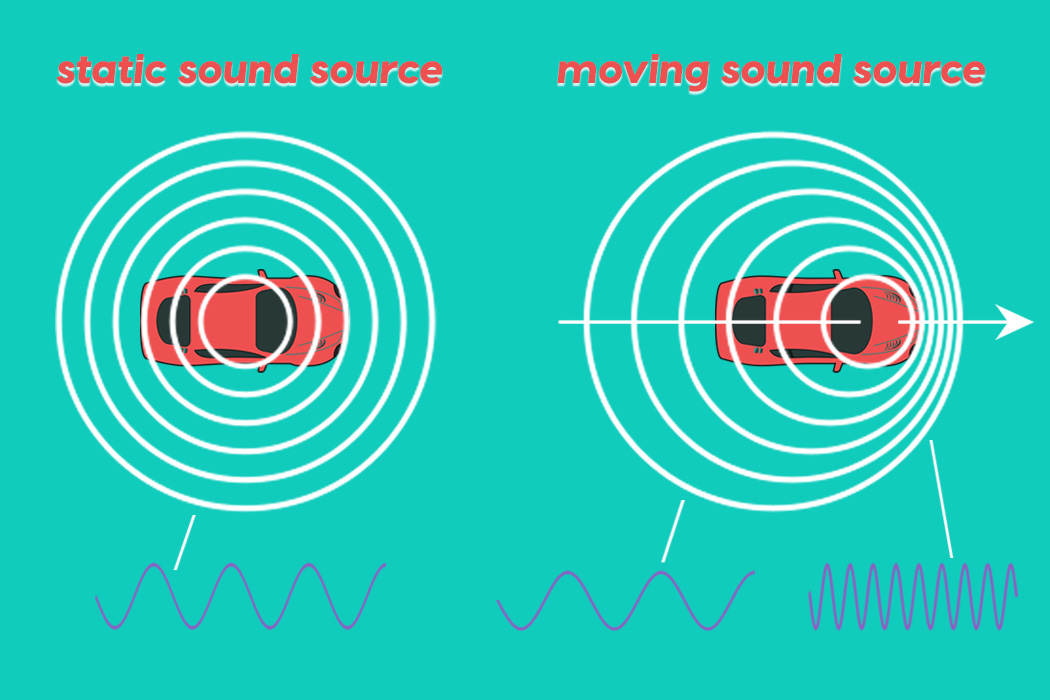
3. Optimizing the Data Node
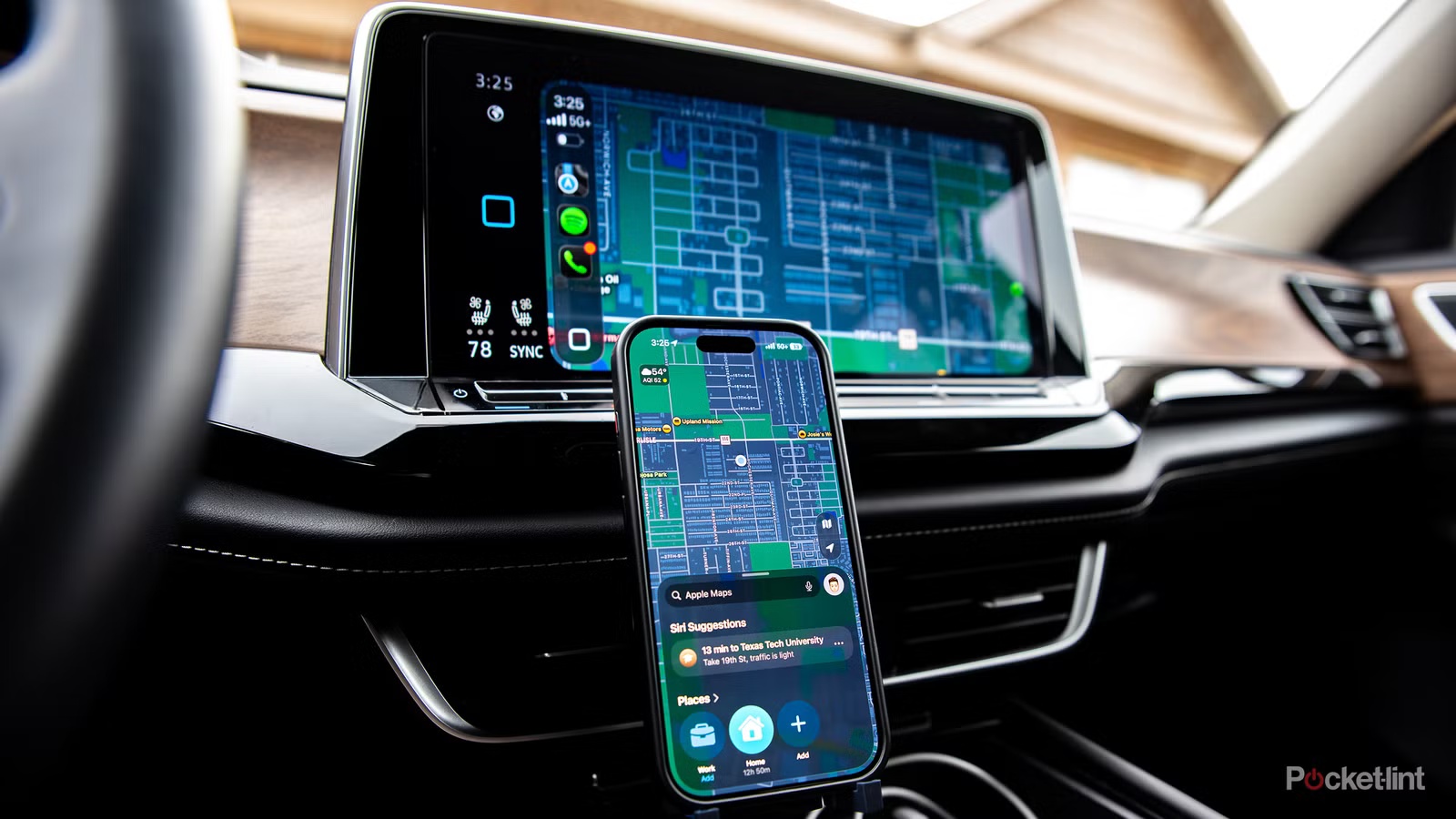
For automation enthusiasts, the iPhone is a powerful telemetry node. Ensuring 'Precise Location' is active prevents low-fidelity cellular fallback. While consumer GPS has minor latency during rapid acceleration, its steady-state accuracy is the industry standard for automated tax logs and velocity-based triggers.
Conclusion
Your iPhone is an objective observer in a world of calibrated car gauges. By leveraging dual-band hardware and precise location services, you reclaim your data integrity and move beyond the inherent limitations of rubber and steel.