SPEED TRACKING
2026-03-15
Beyond the Digital Number: Are Bike Speedometers Real and How Accurate Is Your Data?
In an era of high-end automation, we often take the data on our screens as gospel. However, bicycle telemetry is a fascinating intersection of primitive physics and satellite mathematics.
1. The Physics of Motion Tracking
*
The Physical Method: Magnet-based systems use
Hall effect sensors to count wheel revolutions. This is the most direct measurement, but it relies entirely on the 'input variable'—your wheel circumference.
*
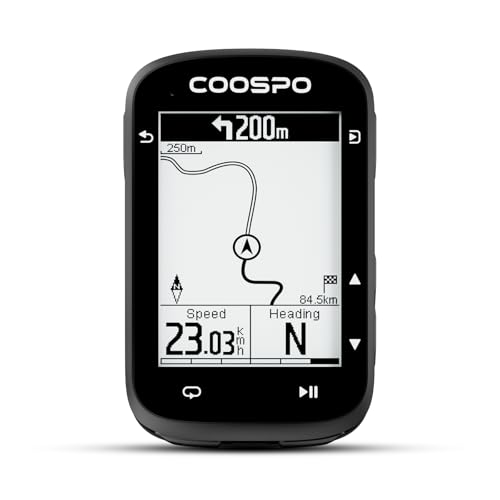
The Mathematical Method: GPS units track coordinates across the earth's surface ($Speed = Distance / Time$). While convenient, they can struggle with 'signal bounce' in urban areas, creating jagged data points.

2. Why Your Data 'Drifts'
*
Effective Rolling Radius: Lower tire pressure causes the tire to compress under load, reducing the actual distance covered per revolution. This creates a calibration error if not accounted for.
*
Satellite Latency: GPS readings often lag by 1–3 seconds, meaning instantaneous speed is frequently a trailing estimate during rapid acceleration.
3. Professional Calibration: The Manual Rollout
To achieve 99.9% accuracy, pros avoid presets and use the
weighted rollout method: sit on the bike and measure exactly one wheel revolution in millimeters. This bypasses generic tire size errors and provides high-fidelity data.
Conclusion
Are bike speedometers real? Yes—they are a digital representation of physical effort. Modern systems use
sensor fusion to combine GPS and accelerometer data, providing a feedback loop that optimizes your performance. The number on your dash is an estimate, but with proper calibration, it is a powerful tool for peak efficiency.