1. The Philosophy of the 'Simple' Sensor
The Trek Sensor operates on the fundamental principle of magnetic induction. The system consists of two primary nodes: the computer head (the logic processor) and the fork-mounted sensor (the trigger). When the spoke-mounted magnet passes the sensor, it creates an electrical pulse. The computer measures the temporal delta between these pulses to derive instantaneous speed based on a programmed wheel circumference constant.2. External Housing and Environmental Sealing
The exterior is constructed from high-impact ABS plastic. To maintain a water-resistant seal, many Trek Sensor units were sonically welded rather than fastened with screws. The tactile buttons utilize rubber membranes that serve as a moisture barrier, protecting the internal electronics from the oxidation common in outdoor cycling environments.3. Internal Anatomy: The PCB Inspection
Upon opening the chassis, the simplicity of the architecture becomes evident. The device utilizes a low-power 8-bit CMOS micro-controller designed for high-efficiency interrupt handling.Key components identified during the teardown include: * The Quartz Crystal: A tiny 32.768 kHz oscillator that provides the 'heartbeat' for the system's internal timer. * Elastomeric Connectors (Zebra Strips): These connect the PCB to the Liquid Crystal Display (LCD). Over time, these can become a failure point if the conductive layers experience compression set. * CMOS Logic Processor: Programmed with a fixed lookup table to correlate pulse frequency ($f$) with linear velocity ($v$).
4. The Sensor Mechanism: Reed Switch Physics
At the heart of the teardown of the Trek Sensor bicycle speedometer is the external sensor. In traditional wired models, this housing contains a Magnetic Reed Switch.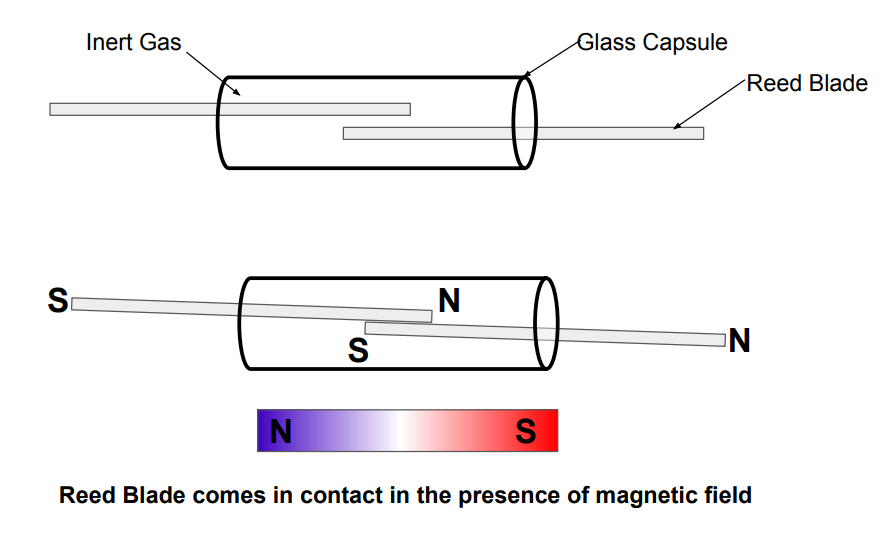
When the spoke magnet enters the proximity of the sensor, the magnetic field pulls the two ferrous reeds together, closing the circuit. This event triggers an interrupt on the micro-controller, waking it from a low-power 'sleep' state to process the new data point. This transition represents a shift from mechanical motion to digital intelligence.
5. Deterministic Logic and Power Efficiency
The Trek Sensor is an early example of 'Edge Computing.' The processing occurs exactly where the data is gathered. The internal logic loop follows a strict deterministic path: 1. Interrupt Trigger: Detect pulse via reed switch closure. 2. Temporal Delta Calculation: Measure the time elapsed since the previous pulse ($t$). 3. Velocity Conversion: Calculate $v = C/t$, where $C$ is the wheel circumference. 4. HMI Update: Output the result to the LCD and return to sleep mode.