1. The Pulse of the Machine: Mechanical vs. Electronic Sensing
To understand how a speedometer shows the speed of a vehicle, we must analyze the two primary evolutionary paths of measurement: the mechanical eddy current and the electronic pulse.The Mechanical Era (The Eddy Current)
For decades, the standard was a masterpiece of magnetic induction. A flexible cable, driven by the transmission, would spin a permanent magnet inside a metal 'speed cup'.As the magnet rotates, it induces tiny electrical currents—eddy currents—in the cup. This creates a magnetic torque that pulls the needle against a hairspring. This analog feedback loop translates rotational torque directly into visual displacement.
The Electronic Shift (Hall Effect Sensing)
Modern vehicles utilize electronic sensors located on the transmission output shaft or wheel hubs. These sensors typically use the Hall Effect to detect the passage of gear teeth.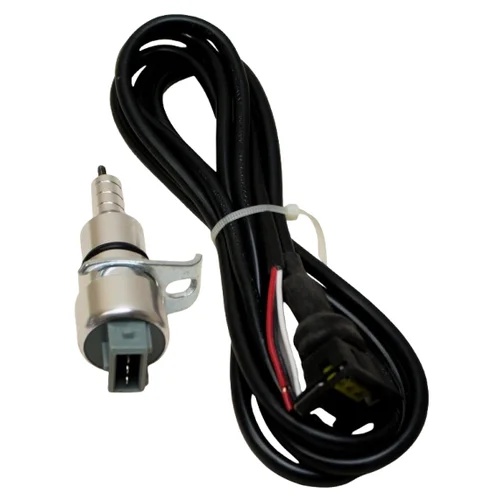
Each tooth generates an electrical pulse, creating a square-wave signal sent to the Engine Control Unit (ECU). The ECU calculates velocity by multiplying the pulse frequency ($f$) by the programmed tire circumference.
2. Speed Data as the Foundation of Vehicle Automation
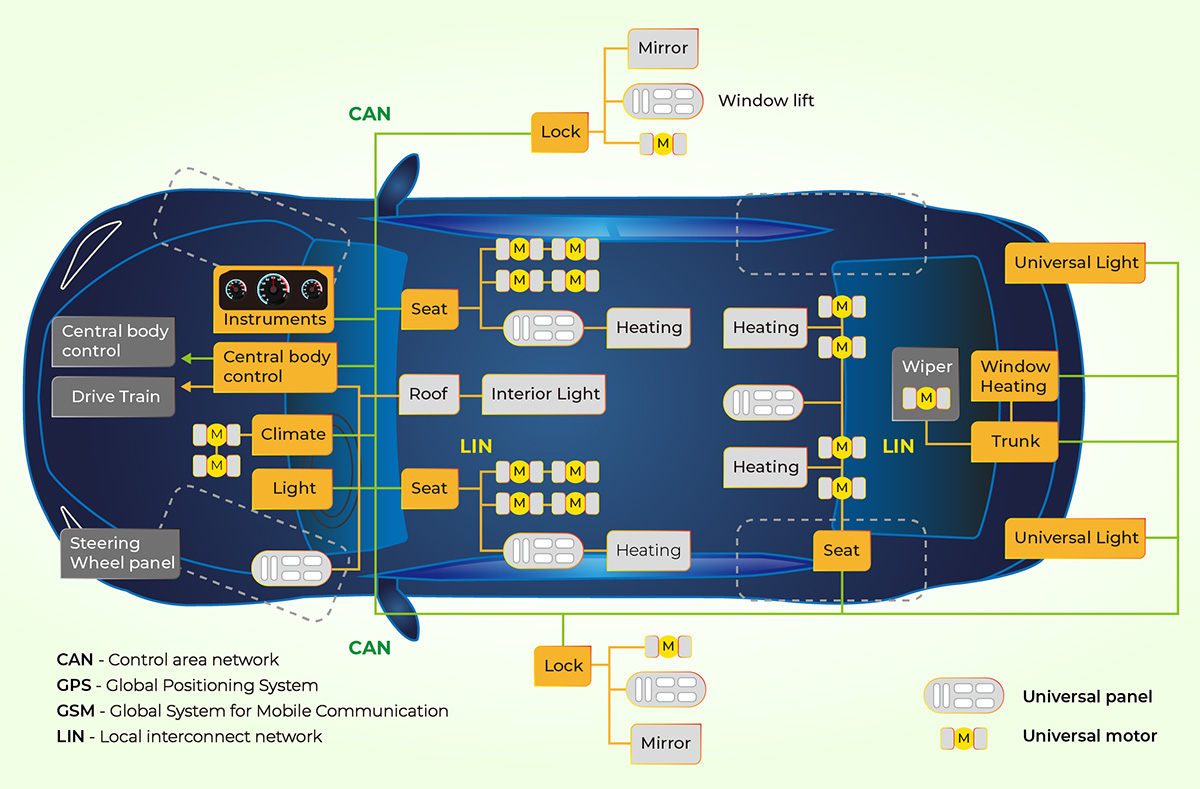
In the era of software-defined vehicles, velocity is the primary deterministic input for automated control loops shared across the CAN bus:* Adaptive Cruise Control (ACC): The ECU compares its own speedometer data with radar inputs to automate throttle modulation and braking. * Electronic Stability Control (ESC): By monitoring individual wheel speeds via the VSS (Vehicle Speed Sensor), the car can automate differential braking to prevent a skid before the driver detects a loss of traction.
3. The Psychology of the Interface: HMI and UX
The design of how a speedometer shows the speed of a vehicle is a study in Human-Machine Interface (HMI) design. Research indicates that the human brain processes the spatial position of an analog needle faster than it reads alphanumeric digits. In high-velocity telemetry scenarios, spatial data representation allows for faster cognitive processing, which is why performance vehicles often retain analog-style digital sweeps.4. Step-by-Step: Digital Speedometer Signal Processing
If you were to audit an automated speed tracking system today, the logic flow would follow this deterministic path: 1. Detection: A Hall Effect sensor on the transmission detects a passing reluctor tooth. 2. Conversion: The magnetic flux change is converted into a digital square wave signal. 3. Calculation: The ECU multiplies the pulse frequency by the known tire diameter constant. 4. Correction: The system adjusts for variables like drivetrain gear ratios or tire wear. 5. Visualization: The data is broadcast over the CAN bus to the cluster's stepper motor or LCD.
5. Future Trends: HUDs and Augmented Reality
We are moving toward a future where velocity is projected directly onto the windshield via Heads-Up Displays (HUDs). This removes the 'eye-fixation latency' required to look down at a traditional dial. In autonomous vehicles, the speedometer becomes a secondary confirmation for the passenger, while the AI 'driver' processes the velocity as one variable in a massive 3D vector map.