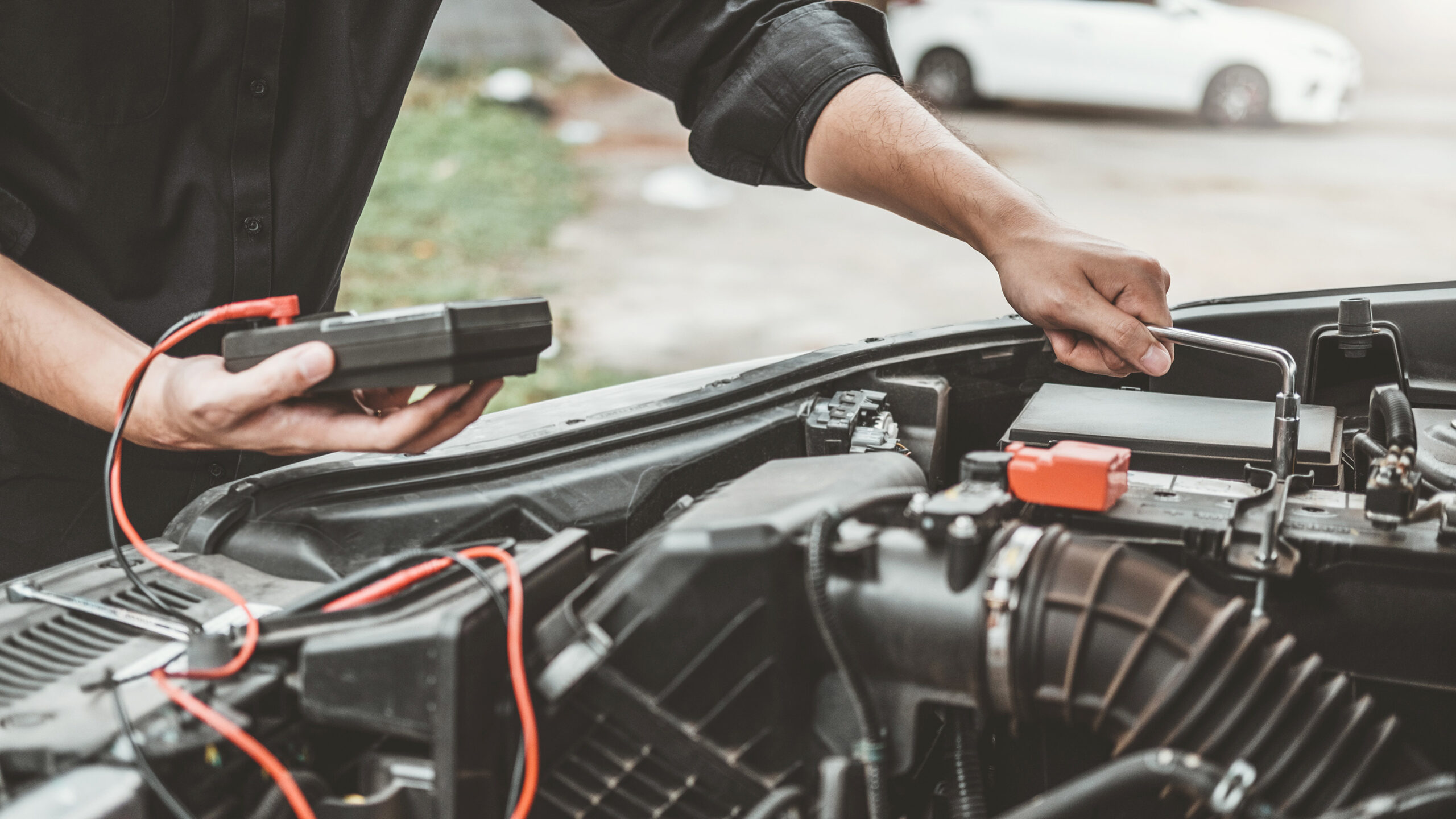
1. The Anatomy of a Failing Dashboard
Modern instrument clusters have transitioned from simple mechanical cables to sophisticated computer terminals. These units rely on stepper motors—precision-engineered electric motors that move the needles in discrete micro-steps based on PWM (Pulse Width Modulation) signals from the ECU.Failure points typically include: * Stepper Motor Fatigue: Internal gear friction or coil failure leading to 'Ghostly Needle' syndrome where the gauge sticks or jumps. * Cold Solder Joints: Thermal cycling causes lead-free solder to crack, interrupting the CAN-bus data flow and causing display flickering or total power resets. * VFD/LCD Degradation: Pixelation or 'Digital Amnesia' in the Odometer or Driver Information Center (DIC) due to failing ribbon cables or driver ICs.
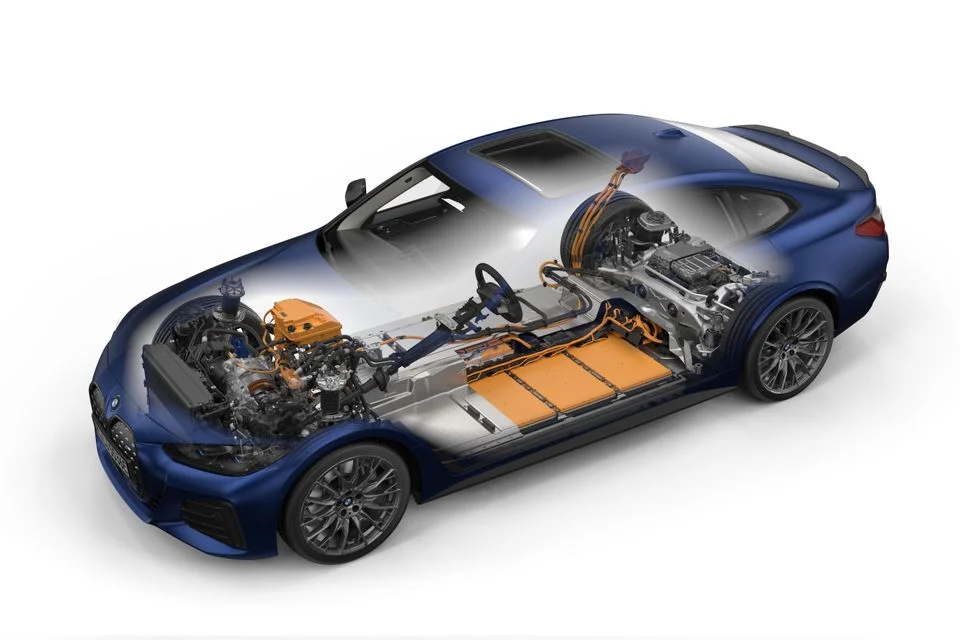
2. The "A+" Standard: Precision Restoration
A professional-grade repair goes beyond component swapping; it involves deep-dive signal diagnostics.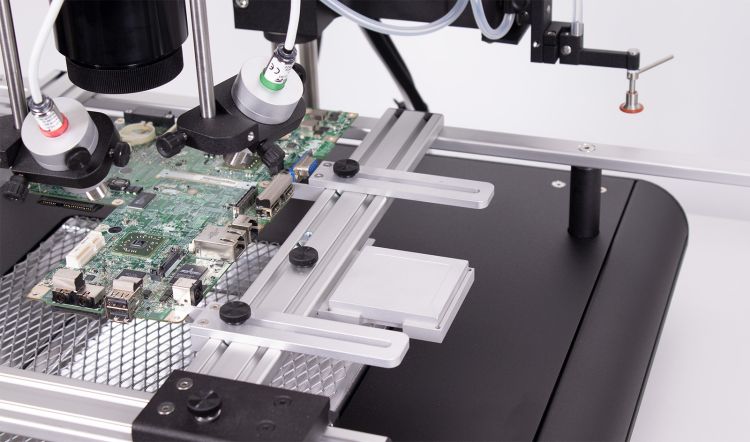
* Component-Level Diagnostics: Using oscilloscopes and logic analyzers, technicians identify failure points on the Printed Circuit Board (PCB), such as blown capacitors or degraded voltage regulators.
* Industrial-Grade Upgrades: A+ repair centers replace factory-flawed stepper motors with higher-torque, industrial-grade versions designed for extended duty cycles. * Bench Simulation Calibration: After hardware remediation, the unit is connected to a signal generator. By simulating VSS (Vehicle Speed Sensor) pulse frequencies (e.g., 8000 pulses per mile), technicians ensure the needle tracks with sub-decimal accuracy across the entire sweep.
3. The Step-by-Step Restoration Process
1. Static-Safe Extraction: The cluster is removed in an ESD (Electrostatic Discharge) protected environment to prevent damage to the EPROM chip containing mileage and VIN data. 2. PCB De-soldering: Utilizing temperature-controlled rework stations, old solder is removed and replaced with high-conductivity alloys to ensure long-term vibration resistance.3. Validation Testing: The unit undergoes a 'stress test' on a bench rig, simulating hours of varied thermal and vibration conditions to ensure signal integrity remains constant.