1. The Anatomy of Measurement: How a Speedometer Registers Input
At its core, a speedometer is a transducer. It captures raw kinetic energy and converts it into a standardized data format. To understand how a speedometer registers a specific value, we must look at the two primary methods of speed registration: mechanical and electronic.The Mechanical Legacy (Eddy Currents)
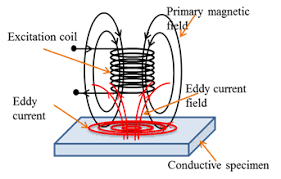
In vintage vehicles, a flexible cable geared to the transmission spun a permanent magnet inside an aluminum 'speed cup.'As the magnet spins, it induces tiny electrical currents—eddy currents—in the cup. This creates torque, pulling the needle across the dial against the tension of a calibrated hairspring. This is the earliest form of 'analog automation,' where the system responded physically to the drivetrain without a central processor.
The Electronic Shift (Pulse Frequency)
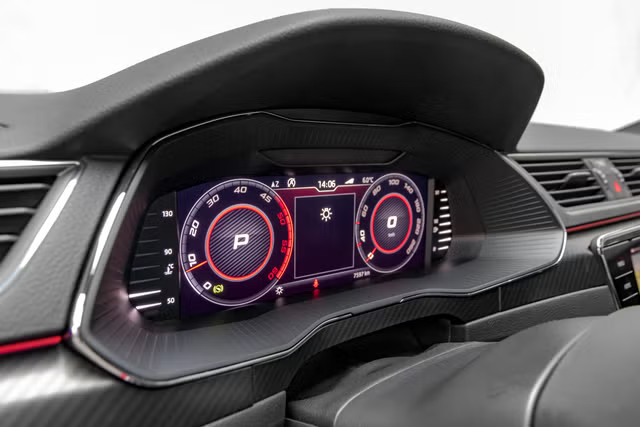
Modern vehicles utilize a vastly different method. Instead of a spinning cable, a Hall Effect sensor (the Vehicle Speed Sensor or VSS) is positioned near a toothed reluctor ring on the output shaft.When we say a modern speedometer registers speed, the Engine Control Unit (ECU) is counting those electrical pulses per second ($f$). It applies a mathematical algorithm—factoring in the programmed tire circumference—to convert that frequency into a digital readout for the dashboard.
2. Why 'Registering' Speed Matters in Vehicle Automation
In a software-defined vehicle, the speedometer is a critical data node shared across the CAN bus. Precision in how the system registers velocity is non-negotiable for automated safety features.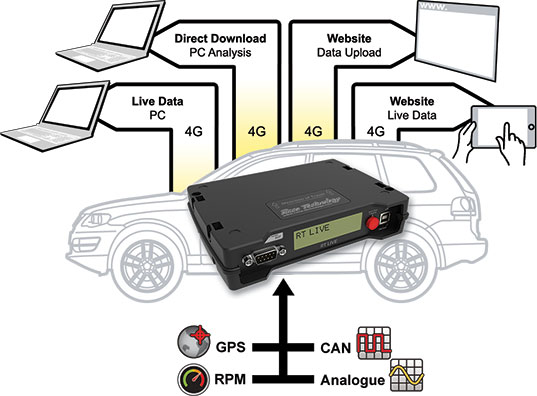
* Real-Time Telemetry: If a system registers 70 MPH but the Anti-lock Braking System (ABS) detects zero rotation on a single wheel, the automation logic triggers an immediate pressure modulation to prevent a skid. * Deterministic Accuracy: In mechanical speedometers, a worn hairspring caused 'needle jump.' In digital telemetry, we monitor 'jitter' or 'latency spikes' in the pulse train to diagnose whether an issue lies in the sensor hardware or the ECU's signal processing.
3. Step-by-Step: Calibrating Automotive Speed Registration
To ensure your telemetry registers data with absolute accuracy, engineers follow these calibration steps: 1. Define the Base Pulse: Identify the pulses-per-mile (PPM) constant set in the ECU. 2. Account for Rolling Radius: Tire size is the 'friction' of speed registration. Calibrate the software to account for tire wear or aftermarket rim changes that alter the effective diameter. 3. Cross-Verify with GNSS: Use high-frequency GPS ground speed (measured via Doppler shift) to audit the VSS registration. Most manufacturers calibrate speedometers to register 2-5% high as a safety margin.Conclusion
Whether it is the physical pull of a magnetic field or the digital counting of electronic pulses, the process of how a speedometer registers movement remains a fundamental concept in automotive engineering. By understanding the mechanics of registration, specialists can fine-tune vehicle performance, eliminate data bottlenecks, and ensure that automated driving systems are always running at their theoretical peak.