1. The Fundamental Metric: Instantaneous Speed
In the realm of physics, there is a distinct difference between speed and velocity. When analyzing what a speedometer of a vehicle indicates, the answer is strictly instantaneous speed.Unlike average speed (total distance divided by total time) or velocity (which requires a directional vector), the speedometer provides a snapshot of kinetic state at a specific micro-moment ($t$). It is the mathematical derivative of position with respect to time ($v = ds/dt$). For telemetry specialists, this is the essential 'Real-Time Health Monitor' for vehicle dynamics.
2. From Cables to Currents: The Evolution of Measurement
The technology used to capture speed has shifted from mechanical induction to high-frequency electronic pulses.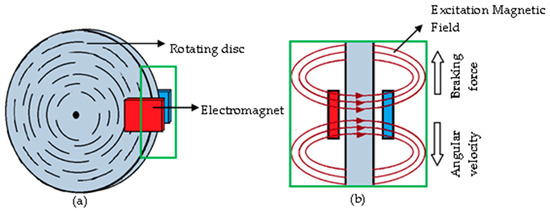
Mechanical Era: Eddy Currents
Historically, speedometers were purely mechanical. A flexible cable connected the transmission to the dashboard. As the wheels turned, the cable spun a magnet inside an aluminum 'speed cup'. This created eddy currents, which generated magnetic torque to pull the needle against a hairspring.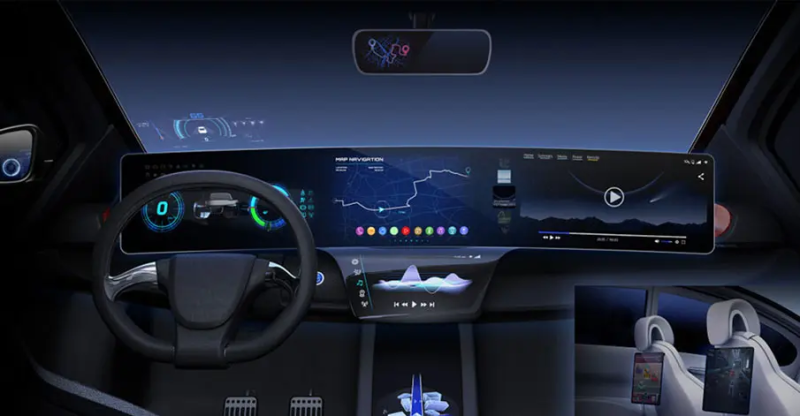
Digital Era: The Hall Effect Sensor
Most modern vehicles utilize the Hall Effect to generate digital pulses. A magnetic sensor, often called the Vehicle Speed Sensor (VSS), is positioned near a toothed reluctor ring in the transmission.As each tooth passes the sensor, it creates an electrical pulse. The Engine Control Unit (ECU) counts these pulses per second and translates them into a digital velocity reading broadcast over the CAN bus.
3. The Automation Connection: ADAS and Telematics
In a software-defined vehicle, what the speedometer indicates is no longer just for the driver; it is a critical node in a vehicle’s internal automation network.* Advanced Driver Assistance Systems (ADAS): ACC (Adaptive Cruise Control) relies on the speedometer’s data to make autonomous decisions. If the car detects a curve via GPS but the speedometer indicates a velocity too high for the turn’s radius, the automation can proactively modulate throttle or braking. * Fleet Telemetry: In the commercial sector, speedometer data is transmitted to the cloud via OBD-II interfaces. Fleet managers use this data as a Key Performance Indicator (KPI) to monitor fuel consumption and safety compliance.
4. Calibration and Accuracy Variables
A speedometer is only as accurate as its programmed variables. Because it measures rotation, physical changes to the vehicle can compromise data integrity:
Tire Diameter: Installing larger tires increases the rolling radius. The wheels rotate fewer times to cover the same distance, causing the speedometer to indicate a speed lower* than actual velocity. * Manufacturer Buffers: To comply with international safety standards like ECE R39, many manufacturers calibrate speedometers to be slightly 'optimistic' (reading 2-3 mph higher than reality).