In the world of tech and automation, understanding the "how" behind the "what" is the difference between a tool that works and a tool that excels. Whether you are optimizing a car’s performance or fine-tuning an auto-clicker for high-frequency data tasks, the principles of measurement remain the same. In this deep dive, we will peel back the layers of automotive telemetry to understand how speed is captured and how those same principles apply to the digital automation tools we use today.
The Core Definition: Speed vs. Velocity
To understand what a speedometer measures, we first have to clear up a common misconception. In physics, speed and velocity are two different animals.
A speedometer measures instantaneous speed.
Unlike velocity, which is a vector quantity (meaning it requires both a magnitude and a direction), speed is a scalar quantity. Your speedometer doesn’t care if you are heading North toward Seattle or South toward Miami; it only cares about the rate at which you are covering distance at that exact micro-second. This is known as "instantaneous" because it reflects your motion at a specific point in time, rather than your average speed over the course of a trip.
How It Works: The Mechanical Legacy
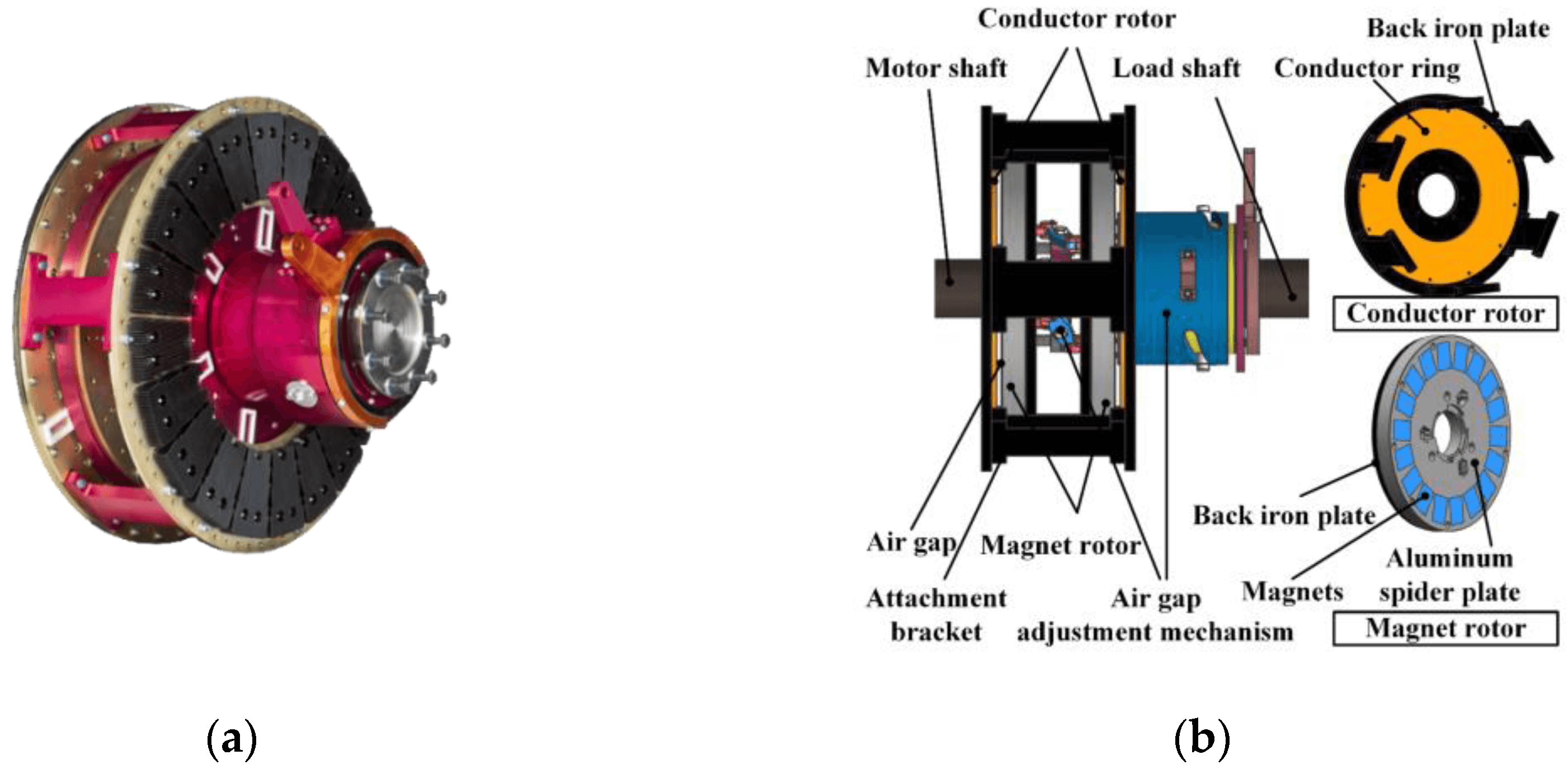
Before we had the sleek digital displays found in modern electric vehicles, speedometers were masterpieces of mechanical engineering. These devices relied on a concept called eddy currents.
The Cable and the Magnet
In a traditional setup, a flexible cable is connected to the car's transmission. As the car moves, the transmission spins this cable. Inside the speedometer housing, the cable is attached to a permanent magnet. This magnet sits inside a metal cup (the speed cup), which is attached to the needle.Crucially, the magnet and the cup never actually touch. As the magnet spins, it creates a rotating magnetic field that induces tiny electrical currents—eddy currents—in the speed cup. These currents create torque that pulls the cup (and the needle) in the direction of the rotation. A hairspring pulls back against the needle, ensuring that it only moves as far as the magnetic force allows. The faster the cable spins, the stronger the magnetic pull, and the higher the needle climbs.
The Digital Shift: From Cables to Pulses
In the era of automation and software-defined vehicles, mechanical cables have largely been replaced by electronic sensors. Modern systems typically use a Hall Effect Sensor or an optical sensor located on the output shaft of the transmission or the wheel hubs.
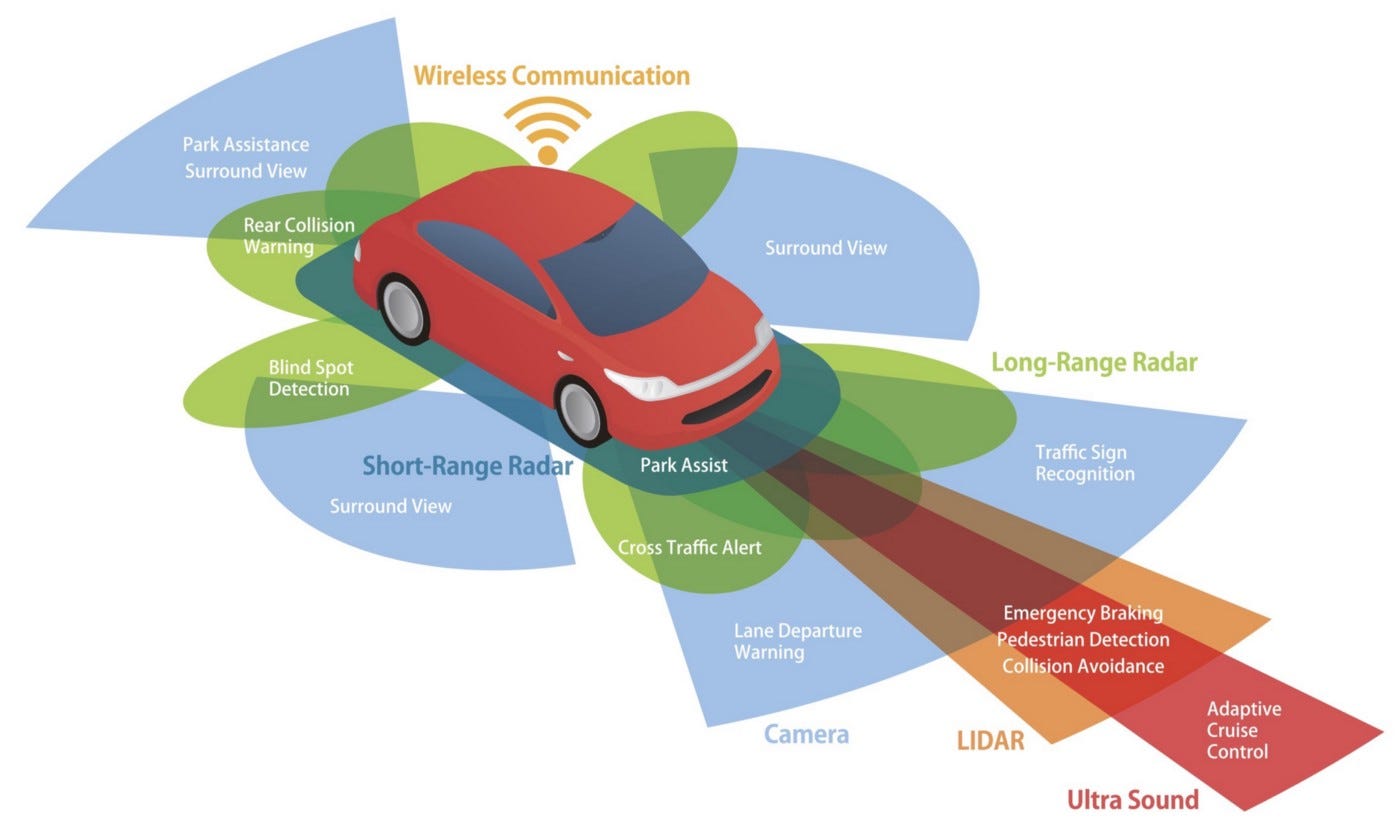
What a speedometer measures in a digital context is actually a series of electrical pulses. As a toothed wheel spins past a stationary sensor, each tooth creates a pulse. The vehicle’s Electronic Control Unit (ECU) counts these pulses per second and calculates the speed based on the known circumference of the tires.
This transition from "analog tension" to "digital pulses" is exactly how modern automation tools, like high-speed auto-clickers or data scrapers, function. They measure the frequency of actions over time to determine throughput, ensuring that the "speed" of the automation remains within stable parameters.
Why Precision Matters in Automation
If your tires are under-inflated or you've swapped them for a larger size, your speedometer will be wrong. Why? Because the device isn't actually measuring the ground moving beneath you; it’s measuring how fast your wheels are turning and inferring your speed based on pre-set assumptions.
This is a vital lesson for anyone using automation tools: 1. Input Integrity: If the data feeding your automation is flawed, the output is useless. 2. Calibration: Just as a speedometer needs to be calibrated for tire size, an auto-clicker or macro tool needs to be calibrated for the latency of the system it is interacting with. 3. Feedback Loops: Modern speedometers use GPS to verify wheel speed data, creating a multi-source truth. High-end automation scripts do the same, checking multiple variables to ensure the "speed" of execution doesn't lead to errors.
Step-by-Step: How to Measure and Optimize Speed in Digital Automation
If you are looking to apply the logic of a speedometer to your own tech stacks or automation workflows, follow this guide to ensure peak performance:
Step 1: Define Your Baseline Metric
Identify what your "speedometer" is looking at. Is it clicks per second (CPS)? Records processed per minute? In automotive terms, this is your wheel rotation.Step 2: Account for Latency (The "Tire Pressure" Factor)
In a car, low tire pressure changes the diameter and fakes the speed. In tech, server lag or CPU spikes change the "surface" your automation runs on. Build in a 10-15% buffer to your automation speed to account for these fluctuations.Step 3: Implement a Hall Effect Logic
Don't just run your automation at a flat rate. Use a sensor-style logic where the tool "checks in" after every 100 actions. If the system response time slows down, the automation should automatically throttle back, just like a cruise control system responding to a steep hill.Step 4: Verify with External Data
Use a secondary measurement (like a stopwatch or a third-party monitoring tool) to verify that the speed reported by your software matches reality. This is the equivalent of using GPS to verify your car’s speedometer.The Future: Telematics and AI-Driven Speed
We are moving toward a world where what a speedometer measures is just one small part of a massive data ecosystem. With the rise of V2X (Vehicle-to-Everything) communication, your car won't just know its own speed; it will know the speed of every car around it.
For automation enthusiasts, this represents the shift from "blind execution" to "contextual awareness." Future automation tools won't just click as fast as possible; they will measure the environment in real-time and adjust their "speed" to mimic human behavior or optimize for the specific load of a target server.
Conclusion
A speedometer measures instantaneous speed through a clever mix of physics and electronics. But more than that, it represents our need to quantify motion and exert control over complex systems. Whether you are behind the wheel of a performance vehicle or at the helm of a powerful automation script, remember that speed is nothing without accuracy. By understanding the mechanics of measurement, you can ensure that your tools—whether mechanical or digital—always perform at their peak.