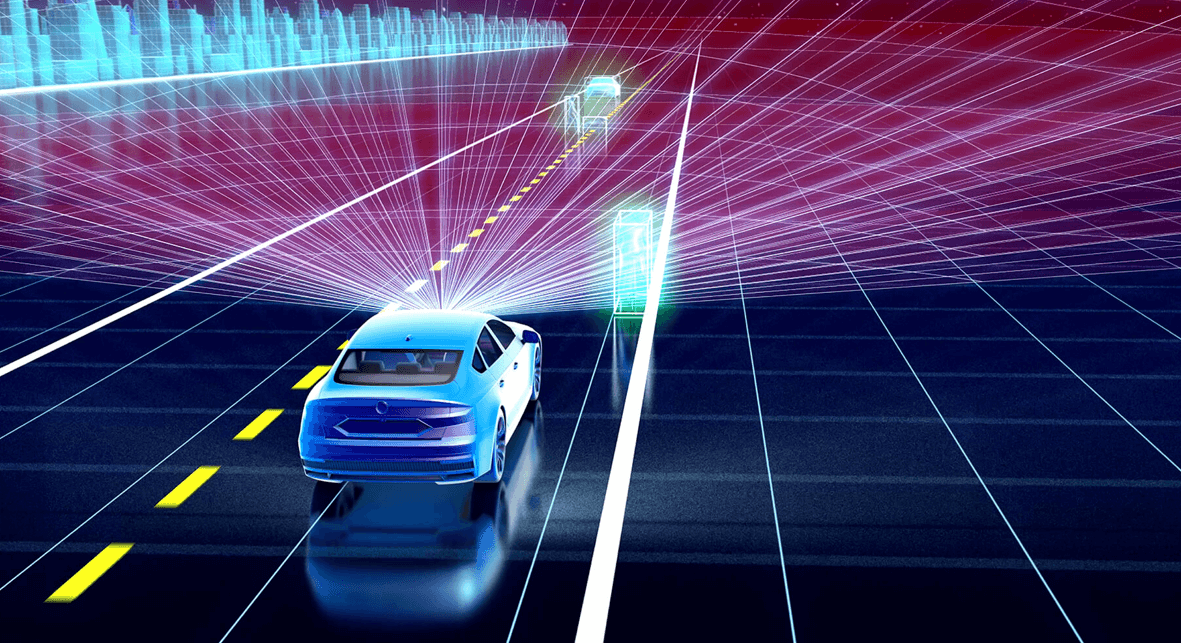
1. Defining the 'Now': Instantaneous vs. Average Speed
To understand the technical value of a speedometer, we must distinguish between historical narratives and real-time snapshots.* Average Speed: A retrospective metric calculated by dividing total distance by total time elapsed. It provides no information regarding the surges or stops that occurred during the interval. * Instantaneous Speed: The magnitude of velocity at a specific micro-moment ($t$). In calculus, it is the derivative of position with respect to time: $$v = \frac{ds}{dt}$$
For a driver or an automated system, average speed is a lagging indicator. Safe navigation and deterministic control require knowing the kinetic state at this exact millisecond.
2. The Physics of the Pointer: Mechanical Induction
Historically, achieving a real-time analog calculation of 'now' was a masterpiece of mechanical engineering. Traditional speedometers utilized Eddy Currents.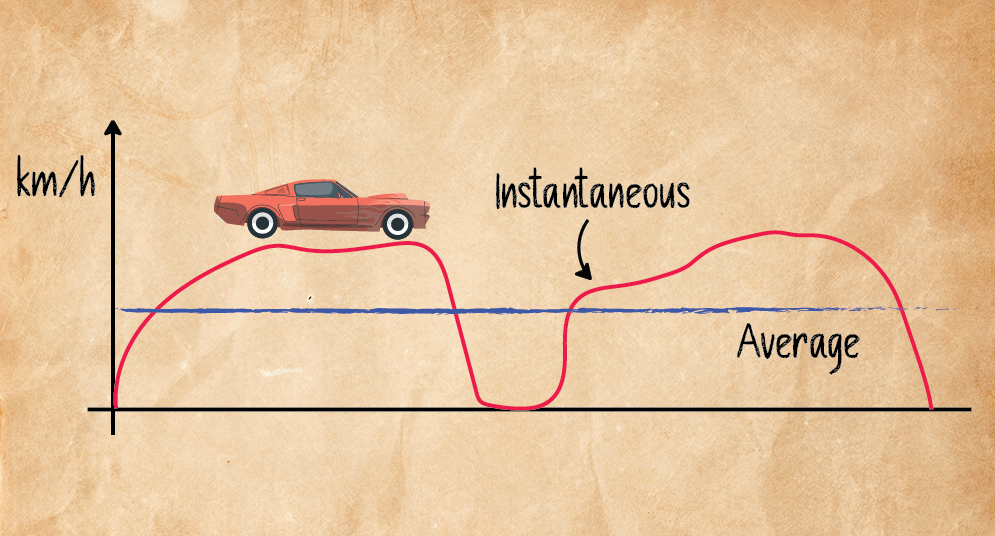
As the vehicle’s transmission turns, it spins a flexible cable. This cable rotates a permanent magnet inside an aluminum 'speed cup.' The rotating magnetic field induces tiny electrical currents in the cup, creating torque that pulls the needle against a calibrated hairspring. The faster the rotation, the higher the needle climbs, providing a continuous physical representation of instantaneous torque.
3. From Mechanical Cables to Digital Precision
Modern vehicles have transitioned from magnets and springs to high-frequency electronic sensing, mirroring the shift toward event-driven vehicle architectures.* Hall Effect Sensors: Most modern vehicles utilize a Hall Effect sensor located on the transmission output shaft or wheel hubs. This sensor detects magnetic pulses as a notched reluctor wheel spins past it. The Engine Control Unit (ECU) counts these pulses ($f$) hundreds of times per second to calculate velocity.
* GNSS Doppler Shift: While wheel sensors are standard, high-end telemetry systems often rely on GPS-based velocity. By measuring the Doppler shift in satellite signals, GPS can provide an accurate reading of instantaneous ground speed, independent of tire wear or mechanical slip.
4. Speed as a Data Node in Automated Systems
In a software-defined vehicle, the speedometer is a critical node in the internal CAN bus network. Instantaneous data is shared across multiple systems: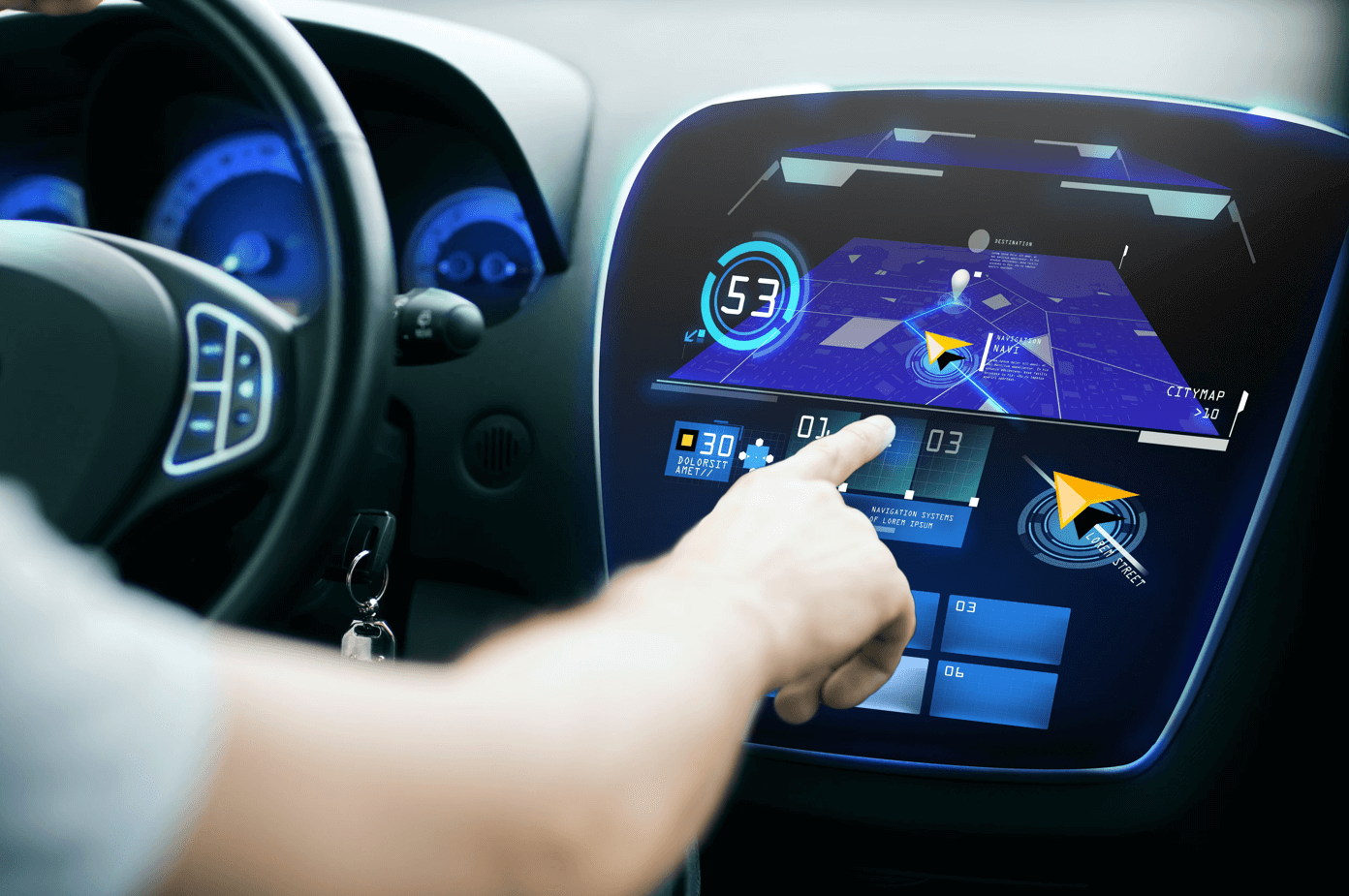
* Adaptive Cruise Control (ACC): The ECU polls speedometer data with sub-millisecond latency. If the sensor reports a drop in velocity, the automation logic immediately modulates the throttle to maintain the set-point. * Electronic Stability Control (ESC): The system compares 'Indicated Speed' with individual wheel speed sensors. If a delta is detected (e.g., 60 MPH indicated vs. 0 MPH on one wheel), the system identifies a skid event and intervenes.
5. Variables Affecting Data Integrity
Because a speedometer normally measures rotation, physical variables can compromise the 'Ground Truth' of the reading: * Rolling Radius: Installing oversized tires increases the distance traveled per revolution, causing the speedometer to under-report actual speed. * Calibration Buffers: To comply with international safety standards like ECE R39, manufacturers often calibrate speedometers to read 2-5% higher than actual speed as a safety margin.