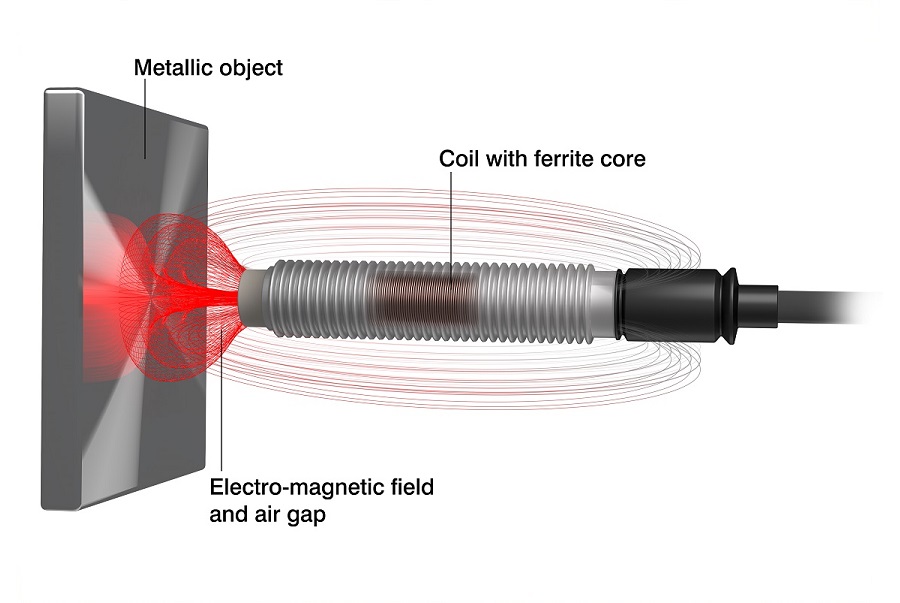
1. The Literal Mechanics: Instantaneous Speed vs. Ground Truth
Technically, a speedometer shows the instantaneous speed of a vehicle at a specific point in time ($t$). Unlike an odometer (cumulative distance) or a GPS (averaging over displacement), the speedometer provides a high-cadence data stream necessary for active control.In older mechanical systems, this was achieved via a flexible cable that spun a magnet inside a metal cup, inducing eddy currents. Today, digital speedometers utilize Hall Effect sensors on the transmission output shaft to send square-wave pulses to the Engine Control Unit (ECU).
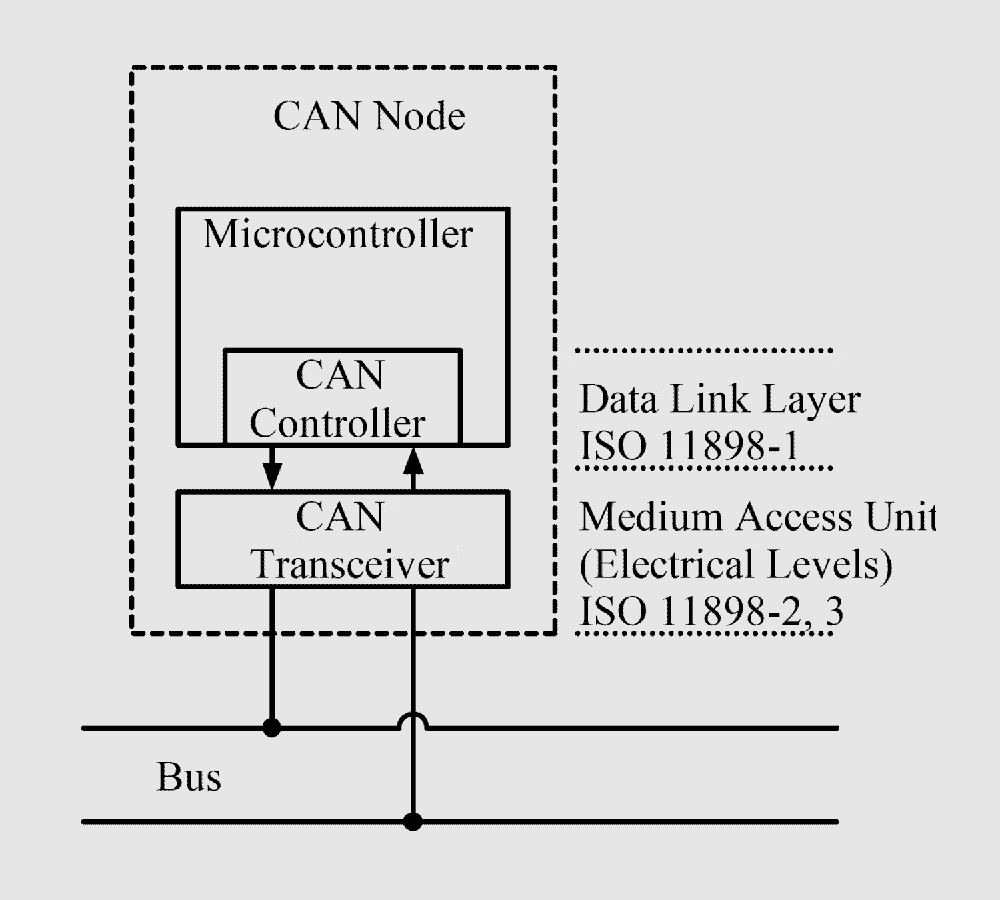
2. Translating Velocity to Vehicle Automation
In the realm of automotive tech solutions, the 'speedometer' is the primary data node for several automated control loops shared across the CAN bus:* Throughput (VSS Sampling): The ECU counts pulses per second. If the sampling frequency is too low, automated systems like Adaptive Cruise Control (ACC) suffer from latency, leading to 'hunting' behavior where the throttle oscillates. * Stability Control (ESC): The system compares the speedometer's 'Indicated Speed' with individual wheel speed sensors. If a delta is detected (e.g., 65 MPH indicated vs. 0 MPH on one wheel), the automation intervenes to prevent a skid.
3. Why Real-Time Feedback is the Secret to Control
Imagine driving where the speedometer has a 5-second lag. You would lose the ability to modulate the throttle effectively. The same logic applies to vehicle automation. A speedometer shows the operator and the ECU exactly when to adjust parameters. Without this real-time visibility, you risk 'redlining' mechanical components or exceeding the safety thresholds of the drivetrain.4. Step-by-Step: Benchmarking Automotive Telemetry Integrity
To audit the accuracy of your vehicle's speed data, engineers use a deterministic diagnostic workflow: 1. Identify the Pulse Constant: Determine the Pulses-Per-Mile (PPM) programmed into the ECU. 2. Audit via OBD-II: Use a high-speed scanner to pull the 'Vehicle Speed' PID. Compare this raw digital value to the needle or display to check for 'Display Lag'. 3. Cross-Verify with GNSS: Use GPS Doppler shift data to establish ground truth. Manufacturers often calibrate speedometers to read 2-3% higher than actual speed as a safety buffer.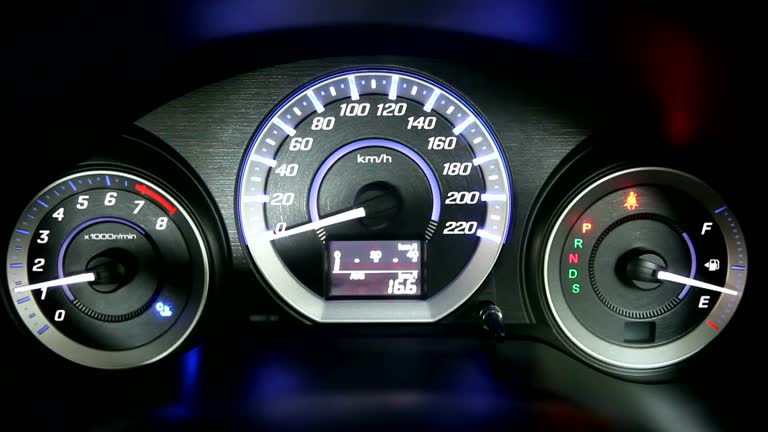
5. The Future: Predictive Telemetry and AR
We are moving toward 'Predictive Telemetry,' where the speedometer logic is integrated with V2X (Vehicle-to-Everything) data. The system won't just show what is happening now, but will project an optimized velocity curve onto an Augmented Reality (AR) HUD, adjusting the cruise control before the vehicle even reaches a gradient.