1. Understanding the Metric: Instantaneous Speed vs. Average Speed
In the realm of physics and telemetry, we must distinguish between a snapshot and a retrospective calculation.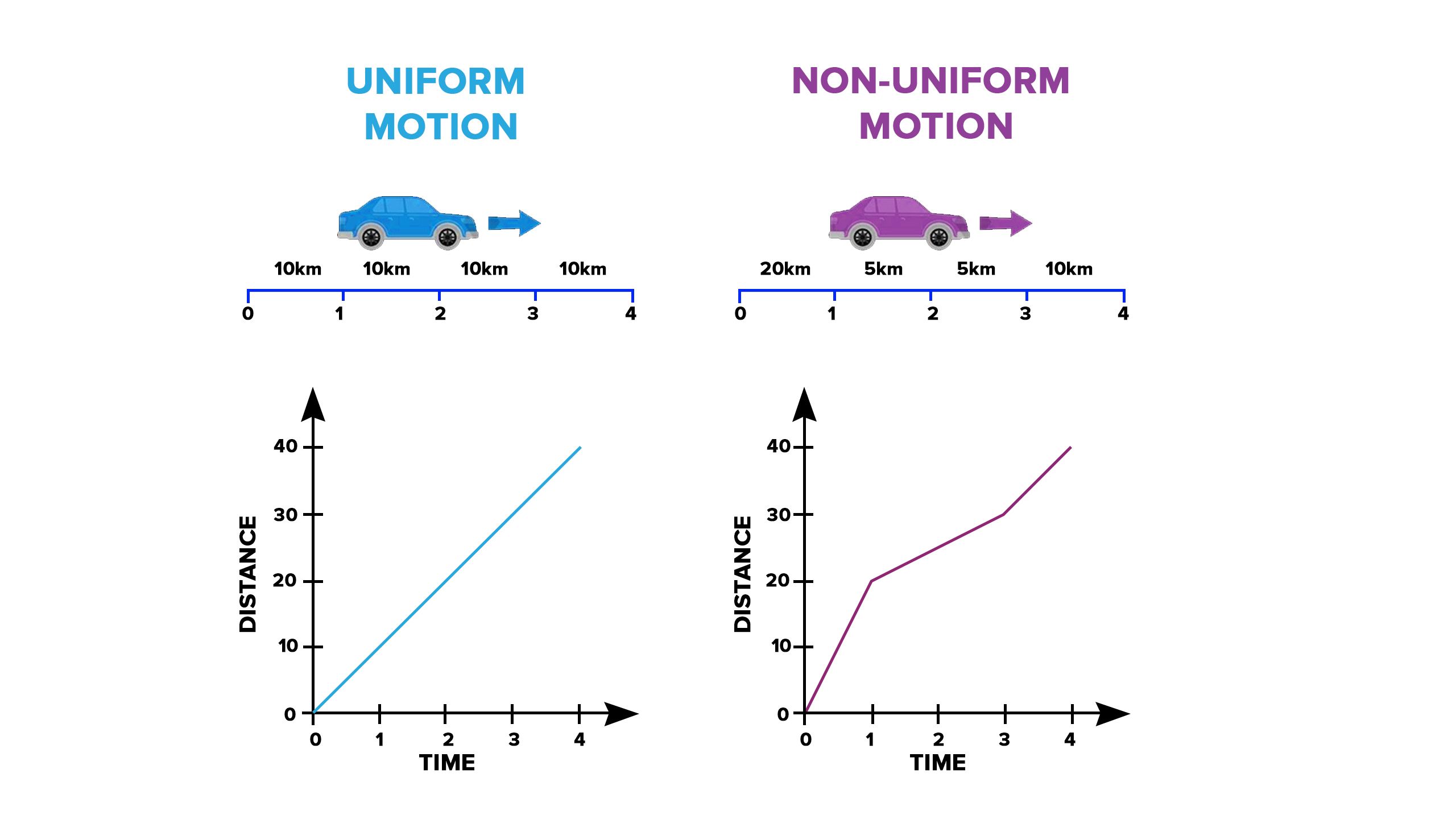
* Average Speed: This is a historical calculation. If a vehicle covers 60 miles in one hour, the average speed is 60 mph. However, this figure ignores the surges and stops that occurred during that interval. * Instantaneous Speed: This is the magnitude of motion at a singular micro-moment ($t$). Mathematically, it is the derivative of position with respect to time ($v = ds/dt$).
For a driver or an automated system, average speed is a lagging indicator. Safe navigation and active control require knowing the kinetic state right now.
2. The Mechanics of Measurement: Reducing Latency
To provide an accurate instantaneous reading, the vehicle must translate the rotation of drivetrain components into a readable metric with minimal signal delay.The Classic Eddy Current Speedometer
For decades, mechanical speedometers utilized Eddy Currents. A flexible cable, driven by the transmission, spins a permanent magnet inside an aluminum 'speed cup.'
As the magnet rotates, it induces tiny electrical currents in the cup, creating magnetic torque that pulls the needle against a calibrated hairspring. The faster the cable spins, the higher the needle climbs, providing a physical representation of instantaneous torque.

The Digital Transition: Hall Effect Sensors
Modern vehicles have replaced mechanical cables with electronic Vehicle Speed Sensors (VSS), typically Hall Effect sensors. These detect magnetic pulses as a toothed reluctor ring spins past them.The Engine Control Unit (ECU) counts these pulses per second ($f$) to calculate velocity and transmits this data across the CAN bus to the instrument cluster.
3. Calibration and Precision Variables
While a speedometer is designed to show the instantaneous speed of a vehicle, several deterministic variables can influence accuracy:* Tire Diameter: Speedometers are calibrated based on a specific rolling radius. Installing oversized tires decreases the rotations per mile, causing the speedometer to under-report the actual instantaneous speed. * Manufacturer Buffering: To comply with international safety standards (e.g., ECE R39), many manufacturers calibrate speedometers to read 2-5% higher than actual speed as a safety buffer.