1. The Anatomy of the 53 mi h Reading
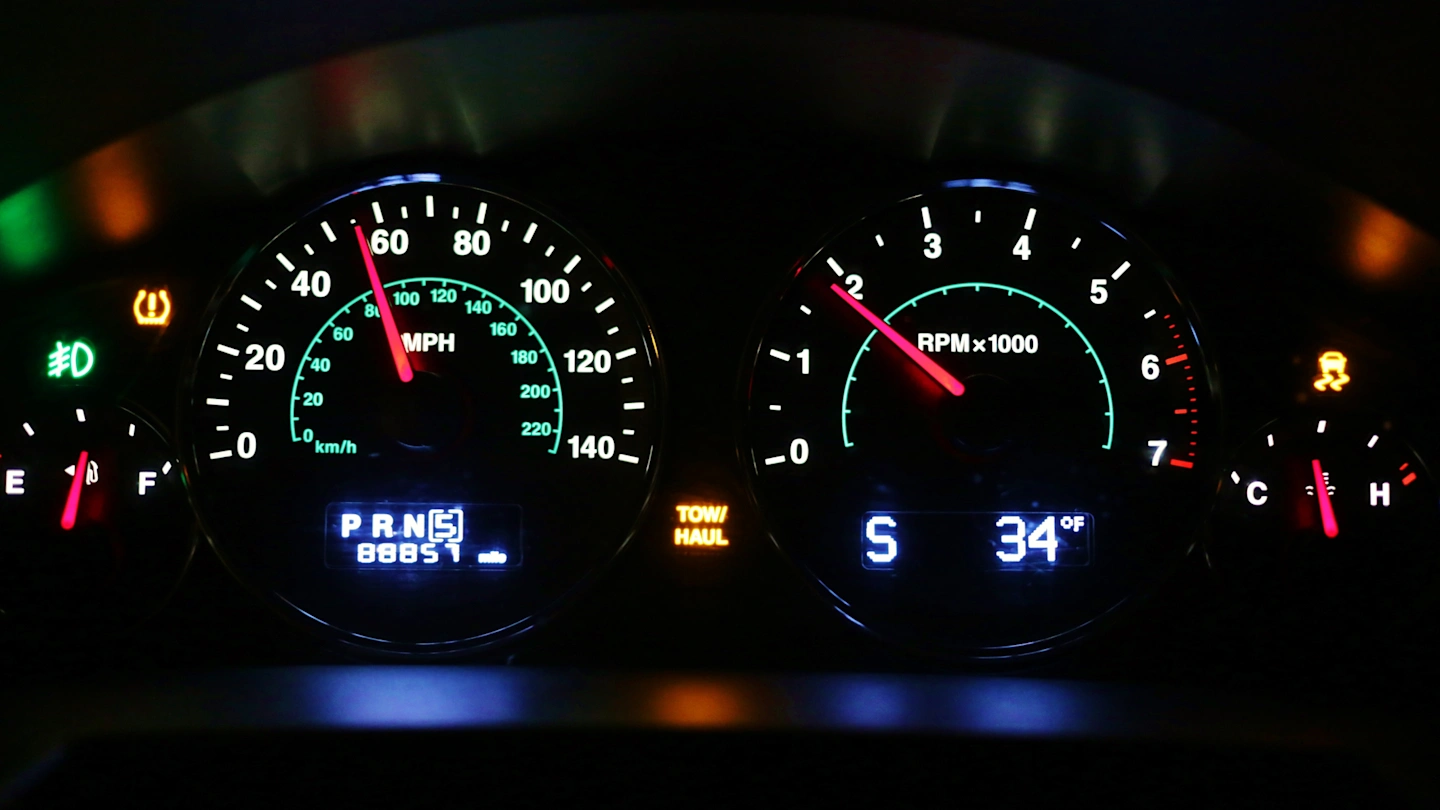
When you see a digital or analog display hit 53, the vehicle is not measuring ground speed directly. Instead, it is measuring rotational frequency ($f$).Modern vehicles utilize Wheel Speed Sensors (WSS) or transmission output shaft sensors. These Hall Effect sensors detect the passage of teeth on a rotating reluctor ring, generating a square-wave pulse train. The Electronic Control Unit (ECU) counts these pulses per second and applies a conversion formula based on the assumed rolling radius of the tires to derive the instantaneous speed.
2. The Precision Gap: VSS vs. GNSS Ground Truth
It is common for a dashboard to read 53 mi/h while a GPS (GNSS) app indicates 51 or 52 mi/h. This discrepancy arises from different data acquisition methodologies:* Indicated Speed (VSS): Manufacturers often calibrate speedometers with a 'positive bias' to comply with international safety standards like ECE R39, ensuring the gauge never under-reports actual speed. * Ground Speed (GPS): GPS calculates velocity via Doppler shift analysis of satellite signals or point-to-point displacement over time. While highly accurate for steady-state cruising, it often suffers from higher latency compared to local vehicle sensors.
3. Automating Velocity: The Role of Telematics
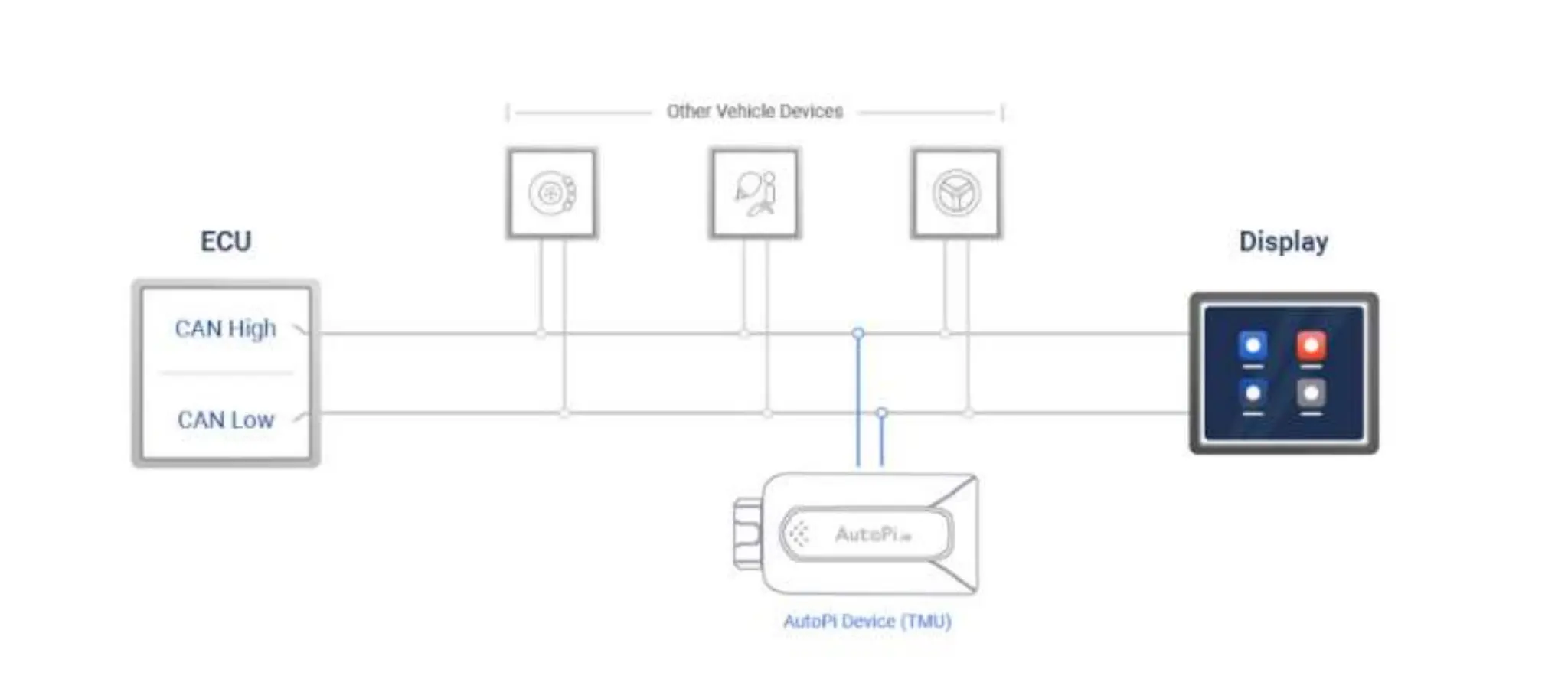
In high-performance automotive tech, a reading of 53 mi h is a critical data node shared across the vehicle’s internal CAN bus:* Cruise Control Algorithms: The ECU uses Proportional-Integral-Derivative (PID) logic to maintain the 53 mi h set point, adjusting throttle input in real-time to counter wind resistance or road gradients. * Fleet Automation: Telematics tools ingest speed data via the OBD-II port to trigger geofencing alerts or monitor fuel efficiency relative to velocity.
4. Step-by-Step: Calibrating Speed Data via OBD-II
To audit the accuracy of your vehicle's 53 mi h reading, engineers use a deterministic diagnostic workflow: 1. Interface with the OBD-II Port: Utilize an adapter to bridge the car’s internal CAN bus to a computer. 2. Capture Raw PID Data: Query the 'Vehicle Speed' PID (0x0D). Unlike the dashboard, this value is often unbuffered raw data from the ECU. 3. Compare and Compensate: Log the OBD-II stream alongside high-frequency GPS data. If a constant 3.7% variance is found, the ECU or telemetry software can be recalibrated to account for physical variables like tire wear or aftermarket rim sizes.Conclusion
When a speedometer reads 53 mi h, it is more than a simple digit; it is a stream of actionable intelligence. By mastering the mechanics of this data, from pulse-counting to V2X communication, engineers ensure the safety and efficiency of the modern automotive tech stack.