1. The Fundamental Metric: Instantaneous Scalar Speed
Scientifically, a speedometer measures the instantaneous speed of a vehicle. In physics, speed is a scalar quantity, meaning it represents magnitude without a specific directional vector.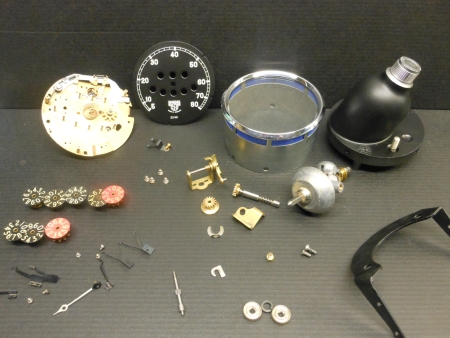
While a GPS navigation system might track your velocity (e.g., heading North at 65 MPH), the vehicle's onboard speedometer is strictly focused on the 'now'—the rate at which distance is being covered at a specific micro-moment ($t$). This real-time data stream is the foundation of modern vehicle telematics.
2. The Evolution of Sensing: Eddy Currents to Hall Effect
To understand how speed becomes a data point, we must analyze the hardware used to capture motion.Mechanical Induction (Eddy Currents)
Historically, speedometers utilized a flexible cable geared to the transmission. This cable spun a permanent magnet inside an aluminum 'speed cup'. The rotating magnetic field induced tiny electrical currents—eddy currents—in the cup, creating torque that pulled the needle against a hairspring.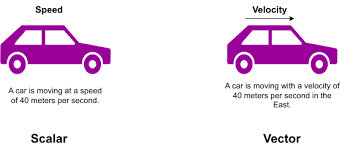
Electronic Sensing (Hall Effect)
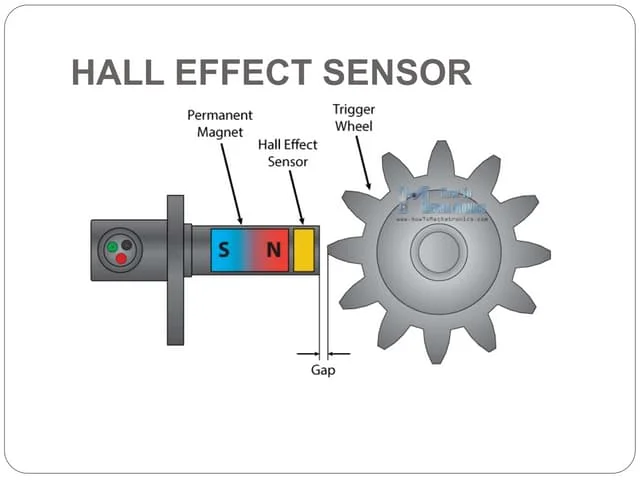
Modern vehicles utilize the Hall Effect to generate digital pulses. A toothed reluctor ring on the transmission or wheel hub spins past a stationary magnetic sensor.As each tooth passes, the sensor sends a square-wave pulse to the Engine Control Unit (ECU). The ECU calculates the frequency of these pulses ($f$) and applies a deterministic algorithm to render a digital velocity readout.
3. Speed Data as an Automation Trigger
In a software-defined vehicle, the speedometer is the primary input for automated control loops: * Adaptive Cruise Control (ACC): The ECU constantly polls speedometer data. If a target vehicle ahead decelerates, the automation logic reduces throttle or applies braking to maintain a safe temporal gap. * Active Aero and Safety: Many high-performance vehicles utilize 'speedometer triggers' to deploy active spoilers or adjust suspension damping once a specific velocity threshold is crossed.