In the landscape of high-performance vehicle engineering and automated telemetry, visibility is the prerequisite for control. Imagine a world-class race car screaming down the Mulsanne Straight at Le Mans without a dashboard. The driver would be operating on intuition, likely redlining the engine until catastrophic failure. In the realm of automotive data processing,
a speedometer is placed upon the workflow to serve as the critical telemetry interface that prevents system over-extension.
1. The Anatomy of Digital Velocity
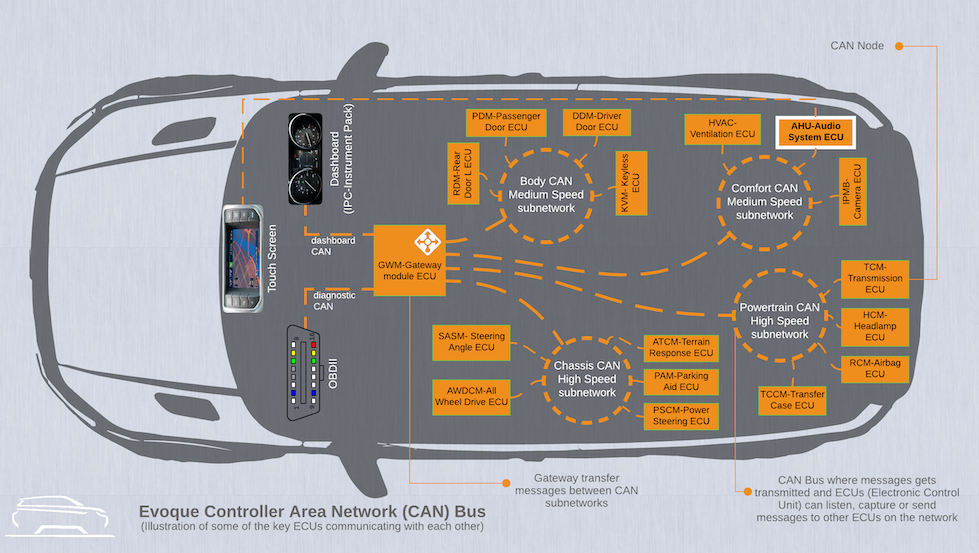
When we integrate a speedometer into a data-driven automotive workflow, we are measuring the 'pulse' of the system. This telemetry focuses on three distinct vectors:
*
Throughput: The volume of sensor data packets (e.g., from a Hall Effect VSS) processed per millisecond.
*
Latency: The temporal delta between a mechanical event and its digital representation on the HMI.
*
Signal Integrity: The consistency of the data stream, identifying 'jitter' that could indicate electrical interference or mechanical wear.
2. Why Precision Telemetry is Non-Negotiable
Avoiding the 'Redline' of System Resources
Automotive ECUs have finite processing power. If a telemetry script runs at an unbridled frequency, it creates a 'death spiral' where resource consumption induces lag, leading to data dropping. Placing a speedometer on CPU load and bus traffic allows for 'Adaptive Throttling'—the digital equivalent of easing off the gas to prevent thermal runaway.
Bypassing Data Corruption via Race Conditions
In high-speed data logging, moving too fast can lead to corruption. If a system attempts to read a velocity value before the previous write-action is confirmed, the dataset loses its deterministic integrity. Monitoring the speed of transaction confirmations ensures the software execution never outpaces the physical hardware's capability.
3. Step-by-Step: Implementing a Telemetry 'Speedometer'
To audit your vehicle's performance data workflows, follow this engineering logic:
1.
Establish a Deterministic Baseline: Record the standard processing time for a single VSS pulse train. This is your 'Zero-Point' on the digital speedometer.
2.
Implement Telemetry Hooks: Insert timestamped logs at the start and end of each processing loop to calculate the 'Operations Per Second' (OPS).
3.
Set Up Automatic Governors: Just as high-end cars have electronic speed limiters, your telemetry scripts should include 'Governors.' If the error rate in the pulse count rises above a specific threshold, the system must automatically reduce its sampling frequency.
4. The Evolution of Speed: AI-Driven Optimization
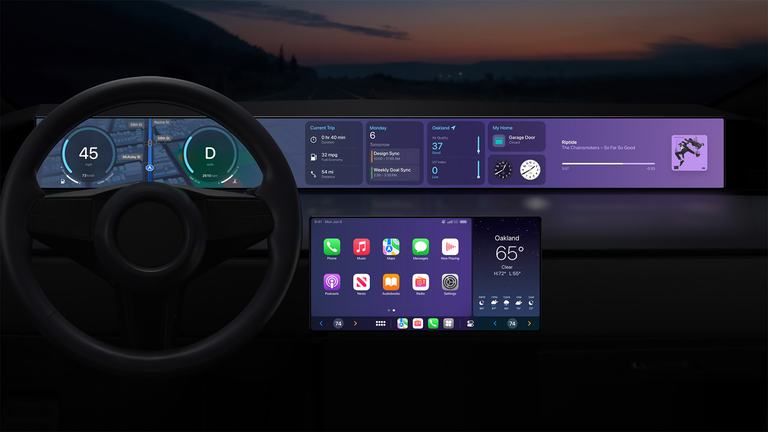
Modern automotive tools are shifting from passive speedometers to active controllers. AI-driven telemetry now analyzes network congestion and engine load to adjust the velocity of data ingestion in real-time. This ensures the system isn't just running at a set speed; it is 'shifting gears' to match the dynamic digital environment of the vehicle's internal network.
Conclusion
When a speedometer is placed upon a data workflow, it transforms from a blunt measurement into a precision tool. Velocity is nothing without control. By monitoring metrics and respecting system limits, engineers can navigate the fast lane of automotive telemetry with absolute confidence.