1. The Data Loop: VSS, TCM, and the PCM
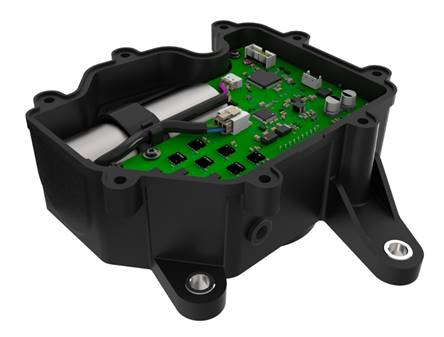
In the era of the 'Software-Defined Vehicle,' the transmission functions as an automated robot. It executes gear changes based on a continuous stream of telemetry.* The VSS (The Inputs): This sensor measures the rotational frequency of the output shaft and sends a pulse-width modulated signal to the car’s computer.
* The TCM/PCM (The Logic): The Transmission Control Module (TCM) receives this frequency. It calculates the vehicle's velocity and determines the optimal hydraulic pressure for gear engagement. * The Dashboard (The Visualization): The speedometer is merely a display unit for the VSS data. If the sensor fails, the speedometer displays erratic values, and the TCM effectively 'goes blind'.
2. How Data Corruption Mimics Mechanical Slipping
When a VSS sends corrupted or intermittent data, it disrupts the automated shifting scripts programmed into the TCM: * Phantom Downshifting: If the VSS signal momentarily drops to zero while the vehicle is at cruising speed, the TCM may attempt to downshift into first gear. The resulting surge in engine RPM and vehicle jarring is often misdiagnosed as a transmission 'slip'. * Solenoid Instability: The TCM uses speed data to pulse-width modulate the solenoids that control fluid pressure. Corrupted data causes these solenoids to 'chatter,' leading to soft engagement or gear hunting that feels identical to worn friction plates.3. Diagnostic Signs of an Electronic Fault
To distinguish between a mechanical disaster and a telemetry glitch, technicians look for specific 'automation errors': * Erratic Needle Behavior: If the speedometer needle jumps independently of actual acceleration, the signal path is compromised by electrical noise or sensor failure. * Limp Home Mode: Modern TCMs feature a fail-safe routine. If they detect a loss of signal integrity, they lock the transmission in 2nd or 3rd gear to prevent catastrophic mechanical damage. This 'sluggish' performance is a software-driven safety state, not a mechanical failure. * DTC Correlation: Utilizing an OBD-II scanner often reveals code P0500 (Vehicle Speed Sensor Malfunction) alongside P0700 (Transmission Control System Malfunction). These codes confirm that the shifting issues are downstream of a data error.
4. Forensic Inspection Path
Before authorizing a multi-thousand dollar rebuild, a systematic sensor audit is required: 1. Signal Continuity: Inspect the wiring harness for heat-induced brittleness or road debris damage. 2. Magnetic Integrity: Many VSS units are magnetic. They can accumulate metallic 'fuzz' from the transmission fluid, which distorts the magnetic field and corrupts the pulse frequency. 3. Voltage Drop Test: Ensure the ground path for the TCM and VSS is clean. High resistance in the return path creates 'ghost' signals that mess with both the dash and the gearbox.Conclusion
As vehicle automation becomes more integrated, the line between mechanical and digital failure blurs. A faulty speedometer is often the first warning sign that the transmission’s automated logic is receiving corrupted data. By prioritizing diagnostic telemetry over immediate mechanical teardowns, owners can ensure their 'Single Source of Truth' is restored—often for a fraction of the cost of a replacement gearbox.