1. The Core Definition: A Transducer Paradigm
At its most fundamental level, a speedometer is an example of a mechanical-to-digital transducer. It intercepts a physical phenomenon—the rotation of the transmission output shaft—and translates it into a deterministic data stream.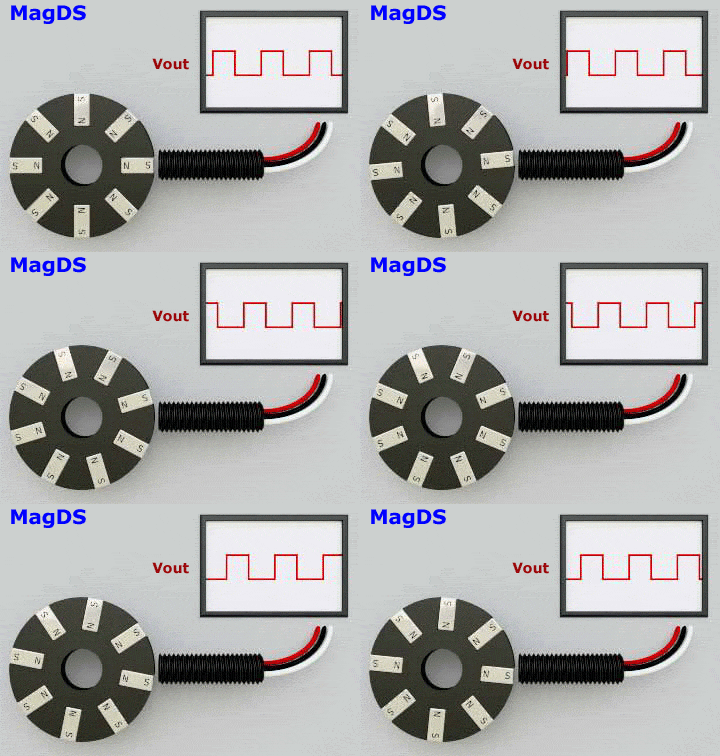
In contemporary automotive tech, it serves as a primary example of: * Deterministic Telemetry: Providing an instantaneous snapshot of system velocity with sub-millisecond latency. * Closed-Loop Feedback: Allowing the operator to modulate throttle inputs based on real-time output data. * Data Visualization Logic: Simplifying complex pulse-frequency data into a glanceable UI element.
2. The Evolution: From Cables to Code
The journey of the speedometer mirrors the broader digital transformation of industrial instrumentation.The Mechanical Era (Eddy Current Induction)
Legacy systems utilized a flexible rotating cable to spin a magnet inside a metal 'speed cup.' This created eddy currents that exerted torque on the cup, moving the needle against a hairspring.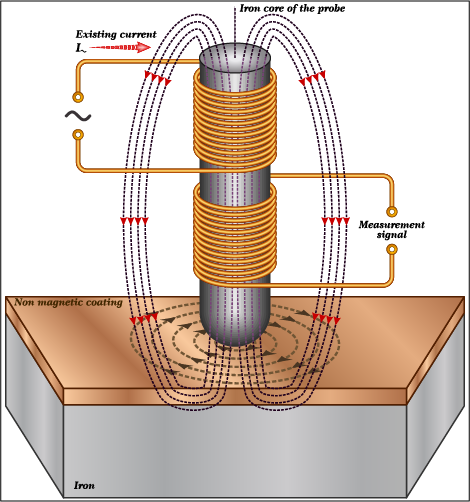
The Electronic Era (CAN Bus Integration)
Modern vehicles utilize Hall Effect sensors on the wheel hubs to send square-wave pulses to the Engine Control Unit (ECU). The ECU calculates velocity and broadcasts this as a high-priority data packet over the Controller Area Network (CAN bus) to the digital cockpit.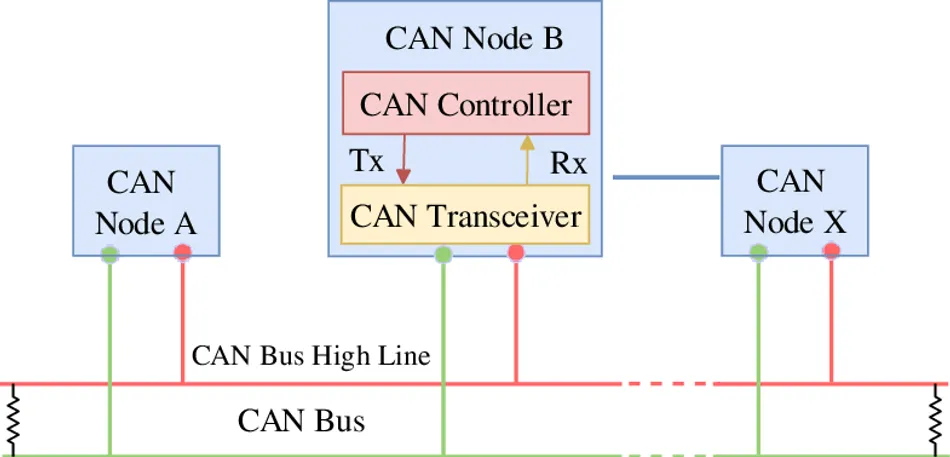
3. Why This Matters for Telemetry Systems
For developers of high-precision tracking applications, the speedometer is the ultimate benchmark for performance tracking.* Latency Management: Just as a speedometer with a 5-second lag would be useless for driving, telemetry software requires high-frequency polling to ensure the 'digital twin' of the vehicle matches the physical state. * Threshold Triggers: Modern dashboards use the speedometer as an input for active safety. If a specific velocity threshold is crossed, the 'speedometer' logic triggers automatic interventions like lane-keep assist or emergency braking.