1. The Discrepancy: GNSS Ground Truth vs. VSS
Most factory speedometers are engineered with a 'positive bias' to comply with international regulations like ECE R39, ensuring the display never under-reports speed. A speedometer app bypasses this HMI-level offset by utilizing the Global Navigation Satellite System (GNSS) chipset within a smartphone.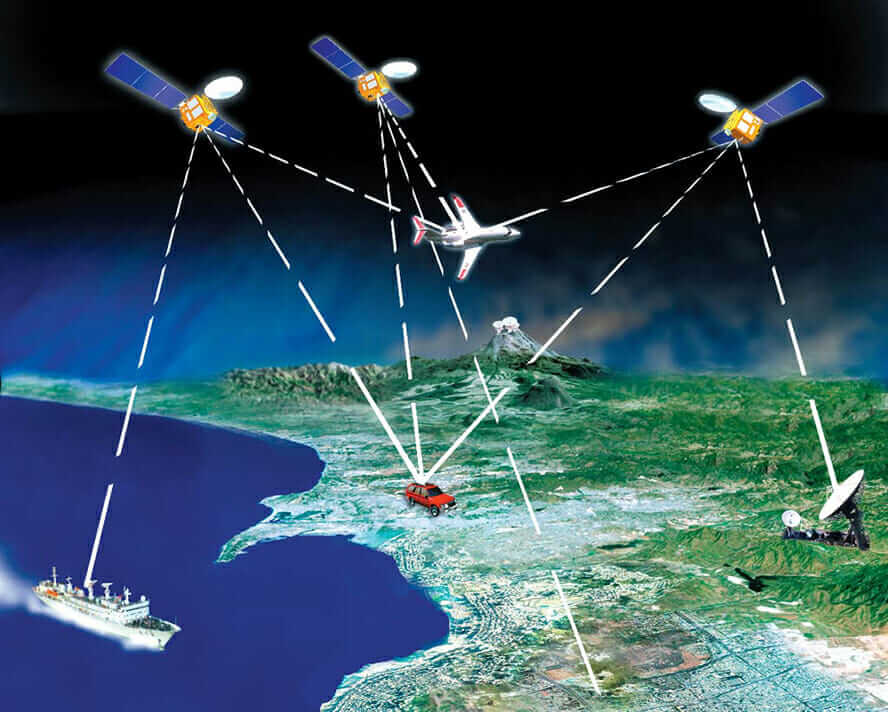
[Image of GPS satellite trilateration for velocity calculation]
By measuring the change in geographic coordinates over high-frequency intervals, the app provides a 'Speed Over Ground' (SOG) metric. This is particularly critical for vehicles with non-stock tire diameters or modified final drive ratios where the physical Vehicle Speed Sensor (VSS) becomes uncalibrated.
2. High-Fidelity Signal Processing: Kalman Filtering
Raw GPS data is often plagued by 'jitter'—signal bounces caused by urban canyons or atmospheric interference. High-precision speedometer apps implement Kalman Filtering algorithms.[Image of a Kalman filter algorithm flow chart for signal smoothing]
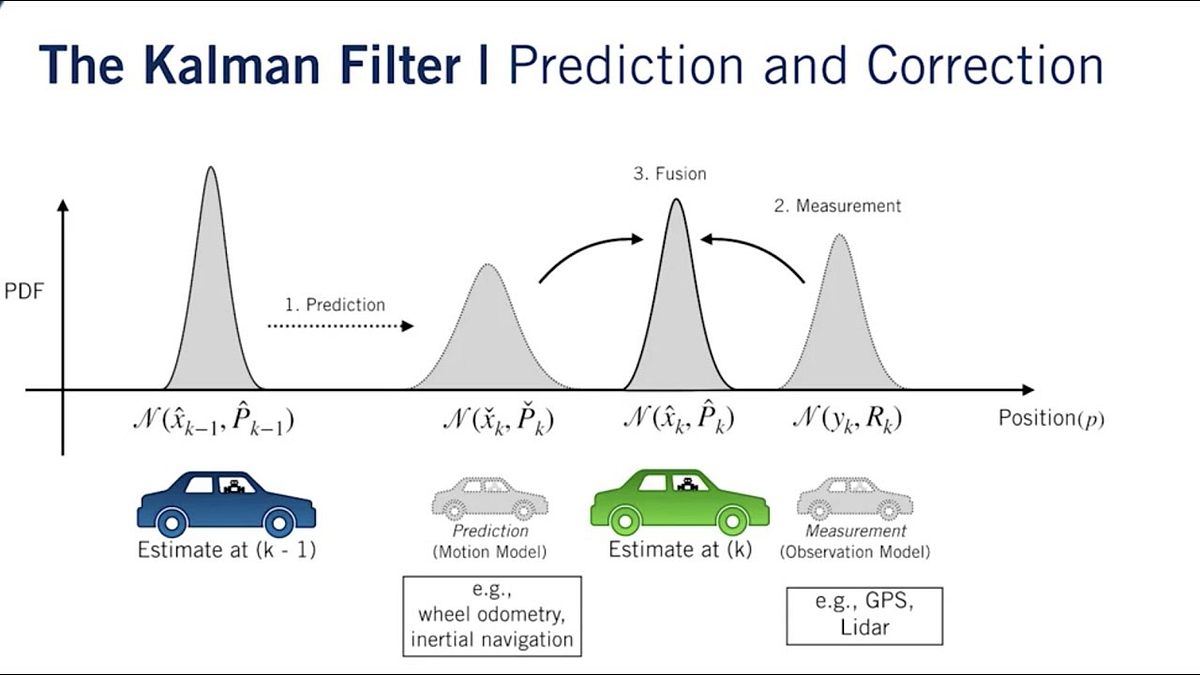
These recursive filters estimate the vehicle's true state by weighing the predicted position against the measured signal, effectively smoothing out momentary spikes and providing a 'physical feel' to the digital needle that mimics analog dampening.
3. Tactical Display: HUD Mode and Telemetry
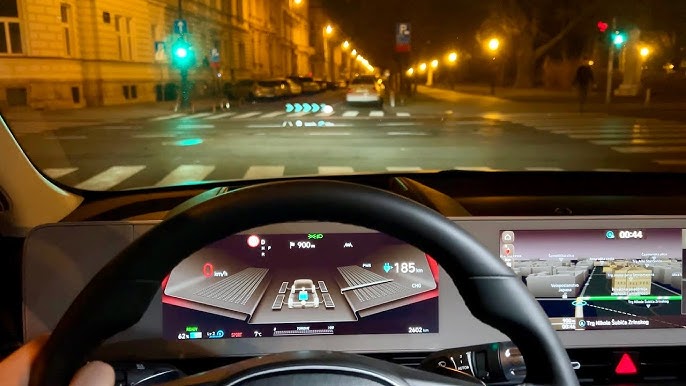
A premium speedometer app transforms the smartphone into a tactical Head-Up Display (HUD). By mirroring the UI and reflecting it off the windshield, drivers can maintain focus on the 'Optical Infinity' of the road while monitoring velocity alerts.[Image of a smartphone HUD mode projecting speed data onto a car windshield]
Beyond current velocity, advanced apps capture comprehensive Trip Telemetry, including average pace, peak G-force, and elevation gain. For developers, this data can be exported via CSV or GPX formats for further analysis in GIS (Geographic Information System) software.