In the architecture of modern vehicles, the instrument cluster serves as the primary visual interface for real-time telemetry. In a system governed by electronic control units and automated data feeds, the question of 'Single Points of Failure' is critical. For engineers and DIY mechanics, the first diagnostic step is essential:
Can a blown fuse cause the speedometer not to work? The answer is 'yes'—as a digital component, the speedometer is entirely dependent on a protected power circuit.
1. The Digital Pulse: How Your Speedometer Processes Data
Unlike vintage mechanical units driven by physical cables, modern speedometers function through a synchronized automation loop:
*
Input Generation: The Vehicle Speed Sensor (VSS) generates a frequency-based pulse train from the transmission output shaft.
*
Logic Processing: The ECU (Engine Control Unit) ingest this frequency, calculates velocity, and transmits a data packet via the CAN-bus (Controller Area Network).
*
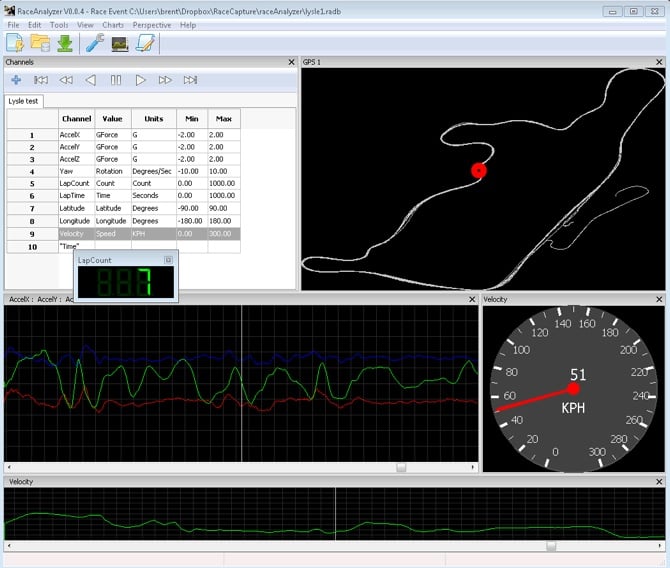
Output Visualization: The Instrument Cluster receives the data and drives a stepper motor to move the needle or updates the digital LCD.
2. The Fuse: The Hardware Fail-Safe
Automotive fuses act as 'hardware interrupts.' If a voltage spike occurs, the filament within the fuse melts to protect expensive microprocessors in the ECU or the cluster. If the fuse labeled 'Cluster,' 'Gauge,' or 'VSS' blows, the data loop is physically broken.
3. Diagnostic Workflow: Is it a Fuse or a Sensor?
To identify the failure point, technicians utilize a systematic troubleshooting hierarchy:
Step 1: Visual and Electrical Fuse Audit
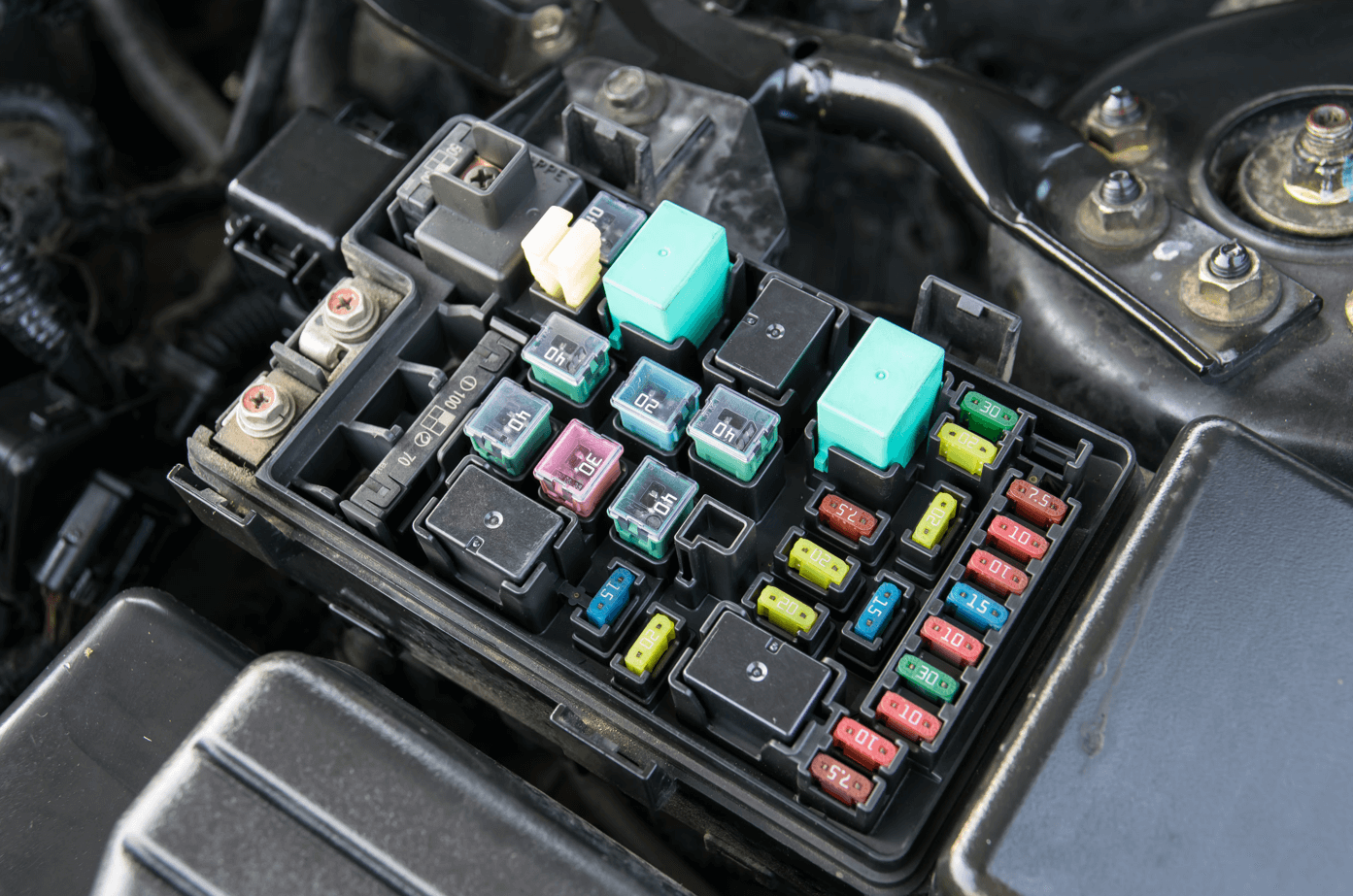
Locate the primary fuse block. Use a test light or multimeter to check for continuity across the 'Instrument' fuse. A visible break in the metal element confirms a circuit interrupt.
Step 2: Shared Circuit Analysis
Modern vehicles often share power buses. If your speedometer is dead, check if the cruise control or odometer is also unresponsive. If multiple systems are offline, the fault is likely the fuse or a shared ground wire.
Step 3: OBD-II Data Verification
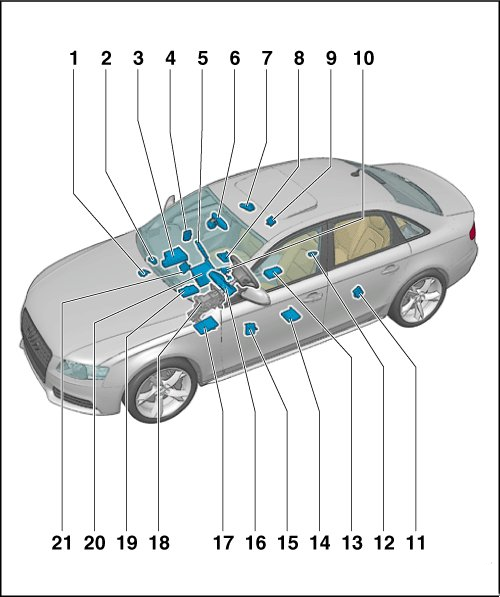
Plug in a diagnostic scanner and monitor the 'Vehicle Speed' PID. If the scanner displays an accurate speed while the needle remains at zero, the VSS is functioning. This confirms the fault is downstream—specifically the cluster’s power supply (fuse) or the cluster itself.
4. Beyond the Fuse: Secondary Failure Points
If the fuse is intact, the failure may reside in the hardware components of the telemetry chain:
*
VSS Contamination: Metallic debris on a magnetic sensor can 'drown out' the signal frequency.
*
Stepper Motor Failure: The tiny electric motors that move physical needles can burn out, requiring a cluster-level repair.
Conclusion
A car's speedometer is no longer a mechanical tool; it is a digital representation of data that requires a pristine electrical environment. A blown fuse is the most common disruptor of this 'Single Source of Truth.' By verifying circuit integrity before performing mechanical teardowns, you ensure the accuracy of your vehicle's automation systems with minimal overhead.